
The Middle East travel and tourism sector has emerged as a global powerhouse over the past two decades. Massive strategic investments have produced ambitious projects, some of the world’s busiest airports, and leading airlines with routes spanning every continent. Airports like Hamad International in Doha and Dubai International have become essential global hubs, connecting millions of passengers seamlessly. However, the current geopolitical situation—marked by escalating conflict involving Iran and regional tensions—has disrupted this progress. Travelers are left stranded, flights are canceled, and uncertainty looms over an industry now vital to global tourism.
Lorem ipsum dolor sit amet, consectetuer adipiscing elit. Aenean commodo ligula eget dolor. Aenean massa. Cum sociis natoque penatibus et magnis dis parturient montes, nascetur ridiculus mus. Donec quam felis, ultricies nec, pellentesque eu, pretium quis, sem. Nulla consequat massa quis enim. Donec pede justo, fringilla vel, aliquet nec, vulputate eget, arcu. In enim justo, rhoncus ut, imperdiet a, venenatis vitae, justo. Nullam dictum felis
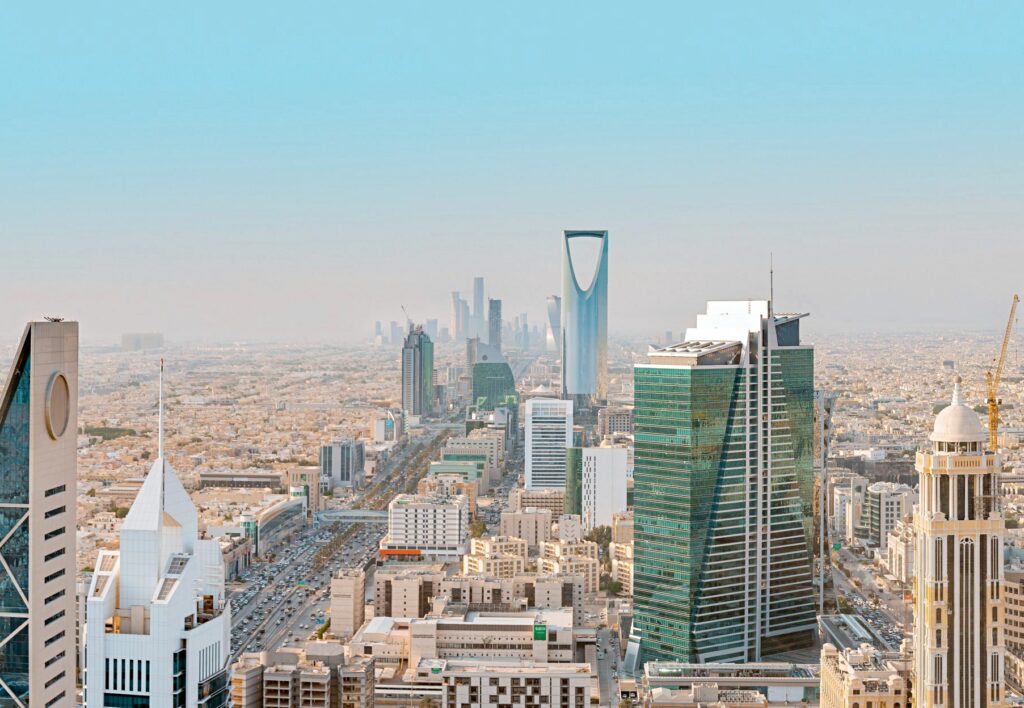
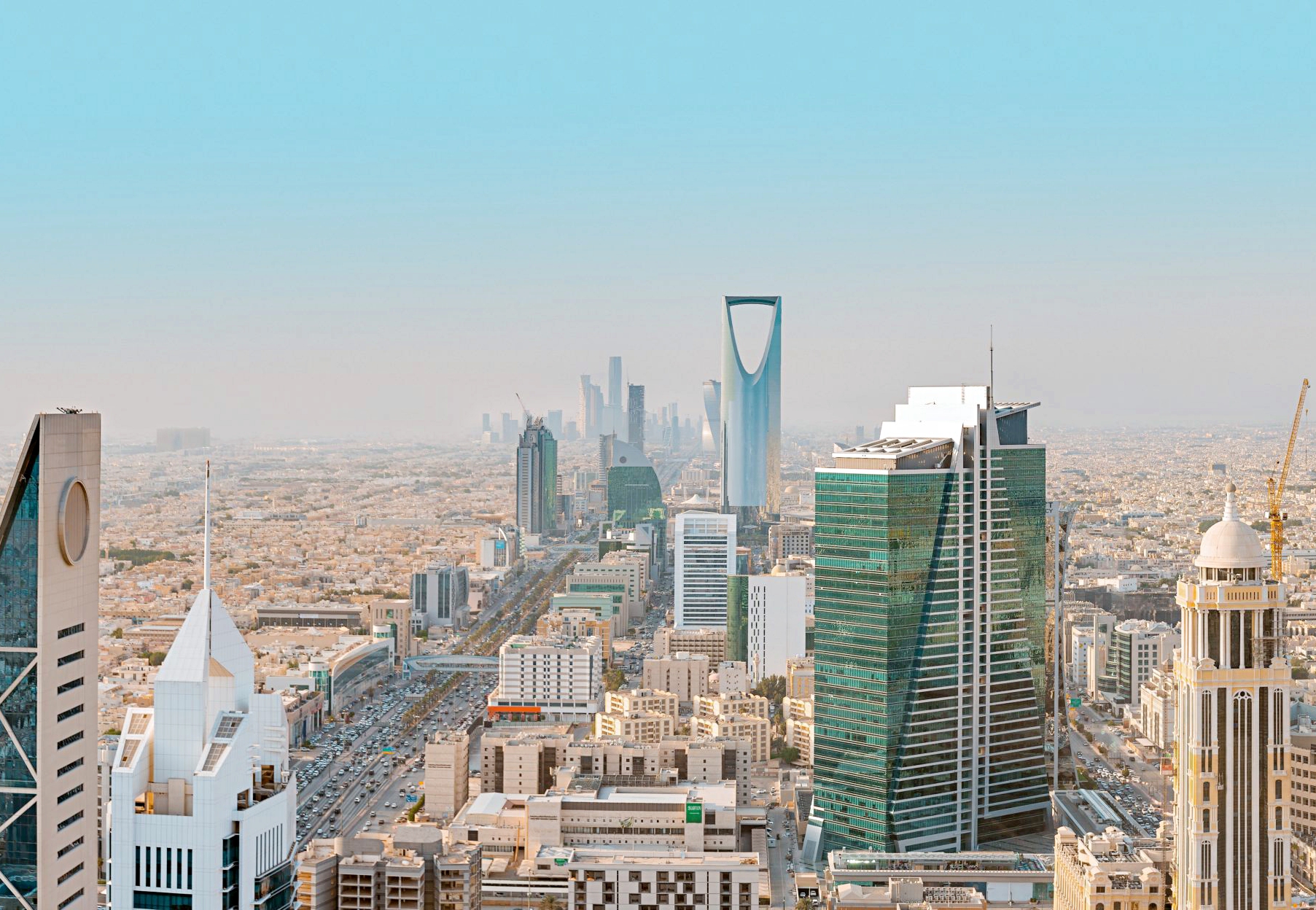
Riyadh – Saudi Arabia
THE IMPACT OF THE CURRENT CRISIS
Recent events have severely hit the Middle East’s travel and tourism industry. Major airports, usually filled with transit passengers and vacationers, face significant disruptions. Travelers from the West and East alike encounter uncertainty, with widespread flight cancellations and changed plans. A region once a top choice for leisure and business travel now experiences a sharp, unexpected downturn.
Analysts project substantial declines: inbound arrivals could fall 11-27% year-on-year in 2026, potentially costing billions in lost revenue and millions of visitors, depending on the conflict’s duration and intensity. GCC countries, major tourism drivers, face the heaviest impacts due to perceptions of safety and stability being challenged.
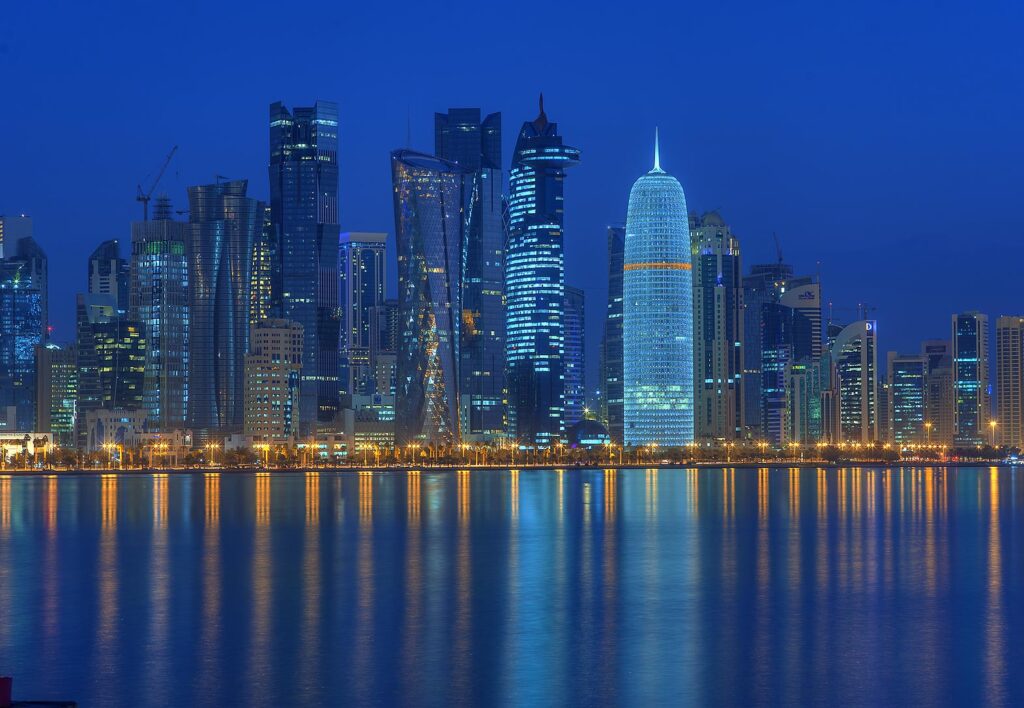
Doha – Qatar
A PROVEN TRACK RECORD OF RESILIENCE
This is not the first adversity the sector has faced. The Middle East travel industry has navigated crises like the post-9/11 fallout, the 2010 Icelandic volcanic ash cloud that halted European flights, and the COVID-19 pandemic. Each time, it showed strong adaptability and emerged stronger.
The current challenges can be overcome thanks to unique regional strengths:
- The World’s Largest Sovereign Wealth Funds — These provide massive financial reserves, acting as a buffer in downturns and supporting ongoing investments.
- Strong Government Support — Robust backing for national airlines, airports, and tourism developers ensures stability.
- Unique and Massive Development Projects — Visionary initiatives, including Saudi Arabia’s giga-projects and the UAE’s innovative attractions, reflect long-term dedication to tourism growth.
- World-Class Modern Infrastructure — Gulf nations boast top-tier airports, airlines, and urban developments meeting global standards.
- Unparalleled Quality of Life — The blend of cultural heritage, modern luxury, and unique experiences draws visitors in ways few places can match.
Experts note the region’s history of quick recovery, such as being the fastest to rebound post-pandemic, surpassing pre-crisis levels earlier than other regions.
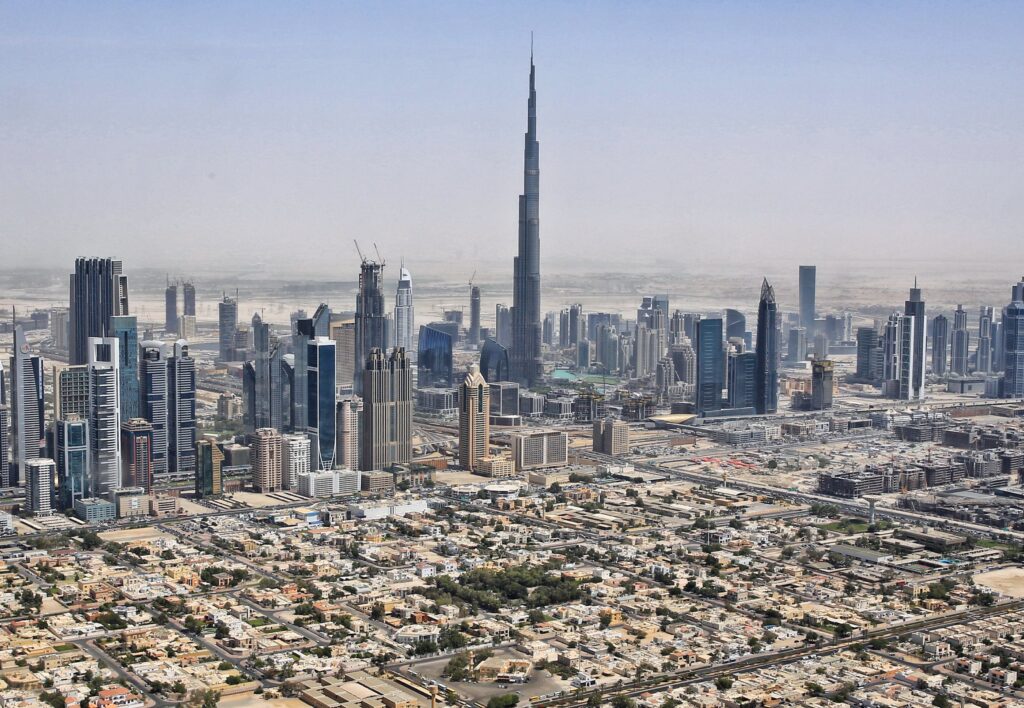
Dubai – UAE
STRATEGIC RECOMMENDATIONS FOR STRENGTHENING RESILIENCE
Lessons from past crises and the present situation suggest key measures to bolster the industry:
- Accelerate Digital Transformation — Speed up adoption of agile, tech-driven platforms by tourism businesses. This cuts dependencies, speeds adaptation, and spreads risk across suppliers.
- Enforce Subcontracting Regulations — Governments could mandate subcontracting for key services like transportation, as seen successfully in Jordan. This works well in large countries like Saudi Arabia and Oman, boosting resilience and local involvement.
- Regulate Service Provider Numbers — Balanced rules on licensed providers maintain quality, prevent monopolies, and foster a diverse, competitive market better equipped for demand swings.
- Mandate Public Liability Insurance — Require full coverage across the sector for financial protection during crises, especially with cancellations and refunds straining cash flow.
- Develop Crisis Indicators and Academic Research — Invest in region-specific indicators, studies, and frameworks to give stakeholders and investors better data for decisions in uncertain times.
Strengthen Regional and Domestic Tourism — Promote travel within the Middle East and within countries to build stable demand less exposed to global issues. This approach buffered the sector effectively during COVID-19.
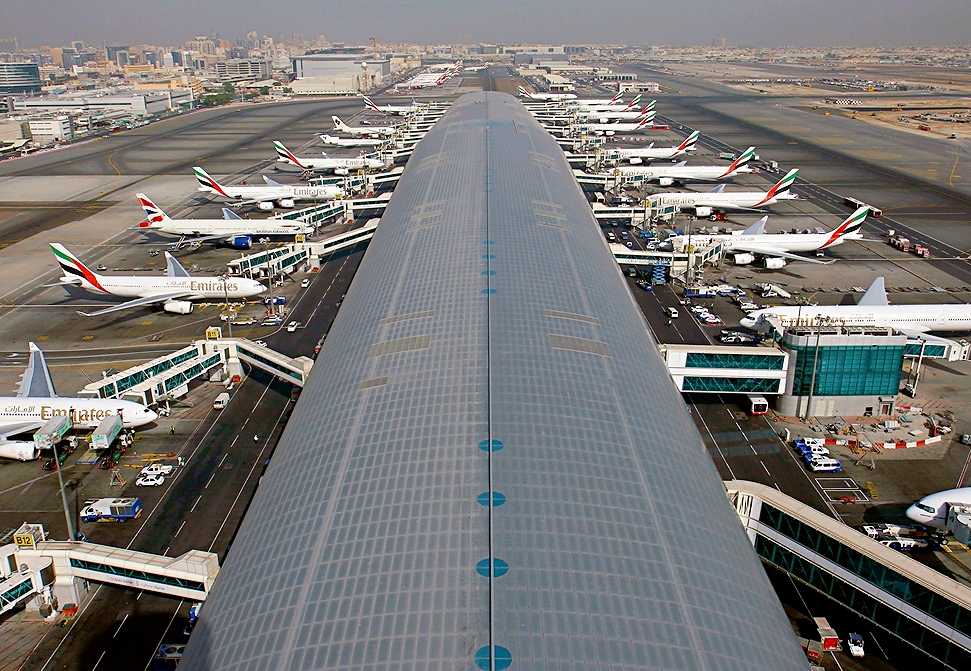
Dubai Airport
LOOKING AHEAD WITH OPTIMISM
This crisis will undoubtedly affect the industry, given its geographic scope and uncertain timeline. The coming months demand patience, flexibility, and planning.
Yet optimism remains strong. The worldwide disruptions highlight how central the Middle East has become to global travel, connecting people and enabling tourism flows. This dependence confirms its irreplaceable role.
The sector has repeatedly shown vision, resources, and resolve to surmount obstacles. Combined with past lessons and proactive strategies, the Middle East’s travel and tourism industry is poised not just to recover but to thrive further as a key pillar of global travel.
Badar Al Yazeedi
Muscat: 5 MAR 2026
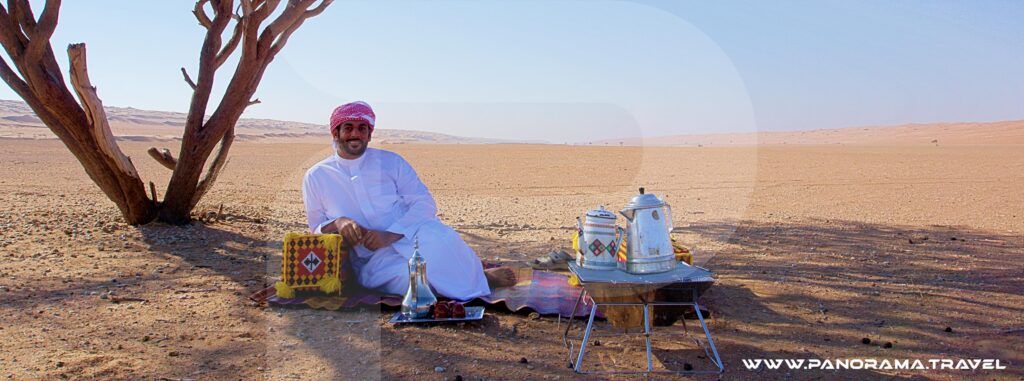
Badar Al Yazeedi is the Founder and Chief Executive Officer of Panorama Travel, bringing over 24 years of specialized expertise in Arabian tourism. A specialist in the historic trading routes, he has dedicated his career to showcasing the rich cultural and natural heritage of the region. Throughout his extensive career, Badar has led numerous wildlife and cultural expeditions across a diverse range of landscapes, including East Africa, Central Asia, Oman, the UAE, Saudi Arabia, Jordan, and Yemen. His deep regional knowledge and commitment to authentic travel experiences position Panorama Travel as a premier gateway to the wonders of the Arabian Peninsula and beyond. Read more.