
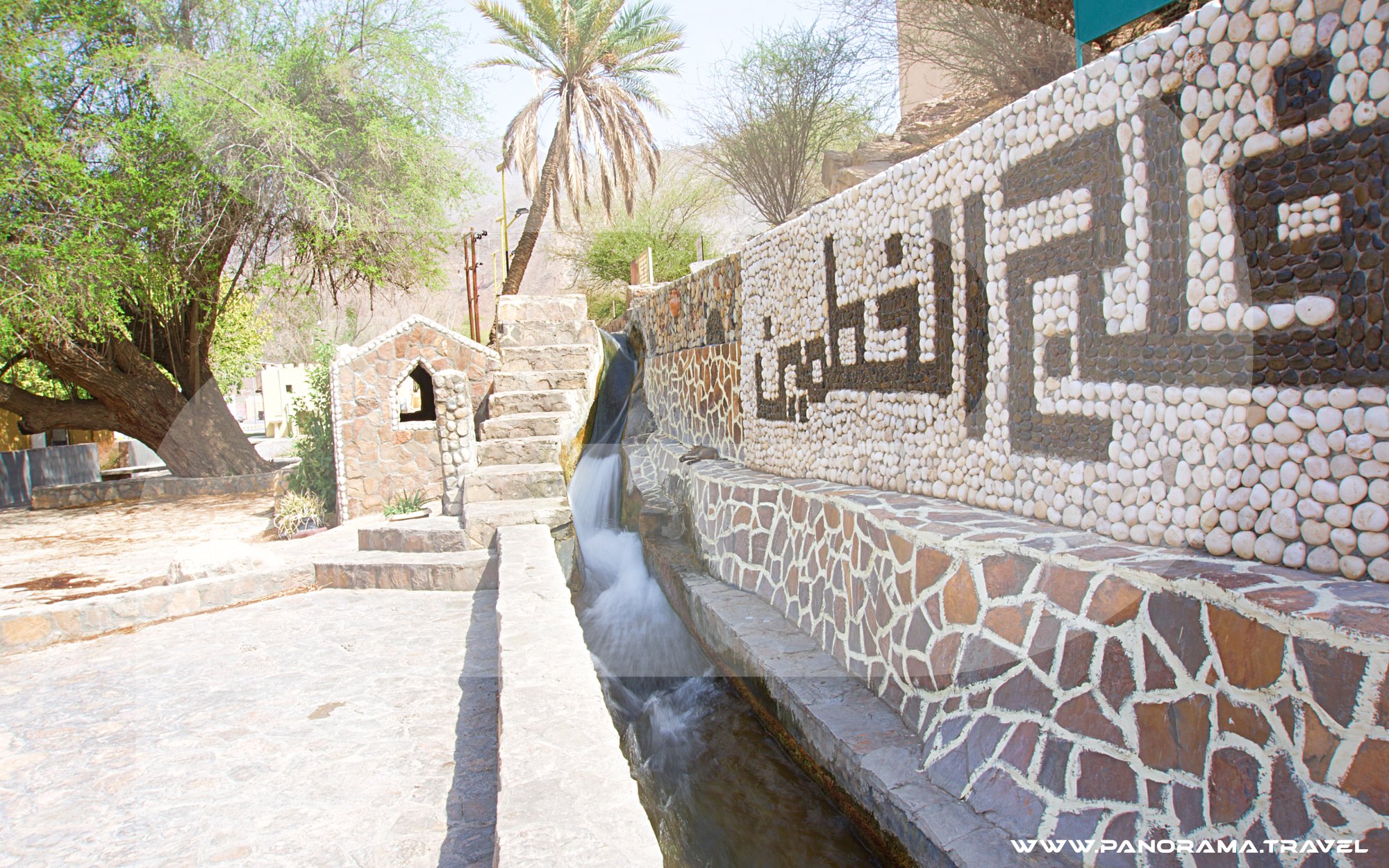
In the heart of the Arabian Peninsula, where the sun scorches the earth and rainfall is a fleeting memory, a remarkable feat of human ingenuity has sustained life for millennia. Oman, often called the “gift of the Aflaj,” is home to an ancient irrigation system that transformed a harsh desert environment into a thriving oasis civilization . These traditional water channels, known collectively as aflaj (singular: falaj), represent one of humanity’s most sophisticated and enduring solutions to water scarcity, embodying not just engineering brilliance but a profound social and spiritual ethos that continues to shape Omani identity today .
The term falaj derives from the Arabic root meaning “to split,” reflecting the system’s fundamental purpose of dividing and distributing precious water resources . This intricate network of channels, some stretching for several kilometres, captures groundwater, spring water, or surface runoff and delivers it by gravity to agricultural lands and villages, making sustainable life possible in one of the world’s most arid regions
A History Etched in Stone: The Origins of the Aflaj
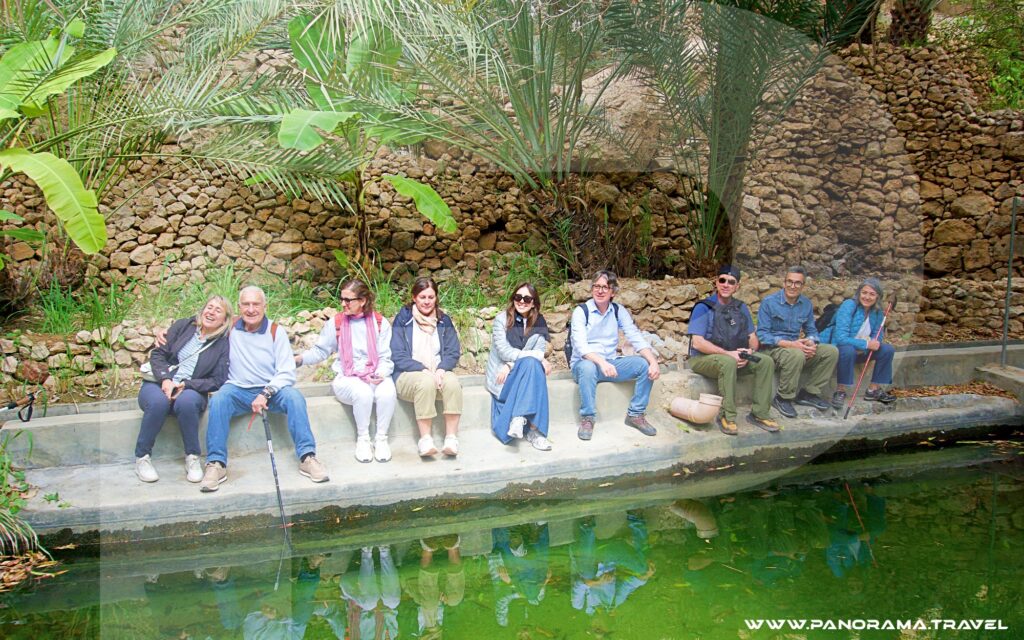
The origins of Oman’s aflaj system stretch back into deep antiquity, representing a testament to human resilience and adaptation. Archaeological evidence suggests that irrigation systems were in use in northern Oman as early as the Bronze Age (3100–2000 BCE), with sophisticated agriculture sustaining communities in the oasis settlements . However, the refined qanat falaj technology, which taps groundwater through underground tunnels, is believed to date from the Iron Age, with Uranium-Thorium dating of calcareous tufa from the Salut oasis indicating the systems were in use as early as 540 BCE . This predates even the Achaemenid Persians, who are often credited with developing similar technology in Iran, suggesting that the falaj may have originated independently in the Hajar Mountains of Oman .
According to local tradition, the falaj system was introduced by the Prophet Sulaiman bin Da’ud (Solomon, son of David), which is why the underground qanat type is known as falaj da’udi . Regardless of its exact origins, the falaj became the backbone of Omani civilization, enabling nomadic peoples to settle, develop agricultural skills, and build the vibrant communities that would eventually form the Omani nation.
The Three Pillars of Water: Types of Oman Aflaj
1. Falaj Da’udi
The falaj da’udi represents the most complex and sophisticated type of falaj. Named after the Prophet Da’ud (David), this system consists of an underground tunnel (sall) that taps into groundwater from a “mother well” (umm al-falaj) dug deep into the aquifer at the foot of the mountains . The water flows through a gently sloping subterranean gallery, carried by gravity over distances that can extend for several kilometres . Along the tunnel, vertical access shafts (thuqub) are built approximately every 20 metres for ventilation and maintenance, enabling workers to clear blockages and ensure the smooth flow of water . The engineering precision required to create a gradient less than the natural slope of the aquifer is remarkable, as it ensures controlled flow and prevents damage to the channel .

2. Falaj Aini
The falaj aini is the simplest type, channelling water from a naturally surfacing spring . This type relies on the constant flow of a spring, making it a reliable water source. Falaj Al Jilah near Sur, one of the five UNESCO-listed aflaj, is a prime example of a spring-fed system, stretching just 415 metres from the mouth of a rocky cave to its collection basin .
3. Falaj Ghaili
The falaj ghaili captures and diverts surface water flowing in wadis (dry riverbeds) during rainfall events . These systems are essentially surface channels that guide water from mountain catchments to agricultural fields and villages. Falaj Al Khatmain at Birkat Al Mouz, another UNESCO World Heritage site, is a falaj ghaili type drawing its water from the foothills of Jabal Al Akhdhar .
A UNESCO World Heritage Treasure
The global significance of these ancient irrigation systems was formally recognized in 2006 when five Omani aflaj were inscribed on the UNESCO World Heritage List . This prestigious designation acknowledges their exceptional cultural value as a living testimony to human civilization and its sustainable water management practices .
The five honoured aflaj are: Falaj Daris and Falaj Al-Khatmain in Nizwa, Falaj Al-Malki in Izki, Falaj Al-Muyassar in Al Rustaq, and Falaj Al-Jeela in the Wilayat of Sur . These sites are not merely archaeological relics but remain functional, sustaining communities and agriculture just as they have for centuries .
Oman currently boasts over 4,000 aflaj, with more than 3,000 still active, a remarkable statistic that underscores the enduring vitality of this ancient system . In November 2025, Oman hosted a joint Arab coordination meeting attended by 18 Arab countries to prepare a file on traditional irrigation systems for UNESCO’s Representative List of Intangible Cultural Heritage, highlighting the aflaj as a unique model of heritage that carries an integrated social and cultural system . This initiative led by Oman reflects the country’s commitment to protecting and promoting this invaluable heritage on the international stage .
A UNESCO World Heritage Treasure
Perhaps the most remarkable aspect of the falaj system is not its engineering but the sophisticated social structure that has sustained it for centuries . The falaj is much more than a water distribution system; it is a complex socio-technical system that reflects the integration of Arab-Omani tribal structure with the Ibadi school of thought, the dominant form of Islam in Oman . This confluence of traditions created a legal framework grounded in Ibadi jurisprudence that emphasizes cooperation, equity, fairness, and conflict avoidance .
The Falaj Master and Administration
The administration of each falaj is overseen by a wakeel falaj, a community-appointed falaj agent responsible for overall management, including regulating the sale and rental of individual shares, managing funds, and overseeing daily operations . This position is typically appointed by the local sheikh in consultation with the shareholders, reflecting the democratic and consultative nature of the falaj community . Assisting the wakeel are the areefs, who are responsible for distributing water shares by operating the sluices at the appointed times .
The falaj system embodies a form of local governance that has adapted over centuries to demographic and environmental changes. As the 2022 study on Falaj Communities in Oman points out, “the restoration of the falaj remained a communal affair, as did the determination of the length of the water cycle” . This collective responsibility, deeply embedded in Ibadi legal rulings, has allowed these systems to thrive for millennia while accommodating the growth of communities and the pressures of socio-political change .
The Astronomy of Water: Star Towers and Sun Clocks
One of the most enchanting aspects of the falaj tradition is the use of astronomy and celestial observation to determine water distribution times—a practice that transformed water management into an intimate dance with the cosmos . Before the advent of wristwatches and modern timekeeping, falaj communities relied on the sun and stars to measure time with remarkable precision.
Sun Clocks
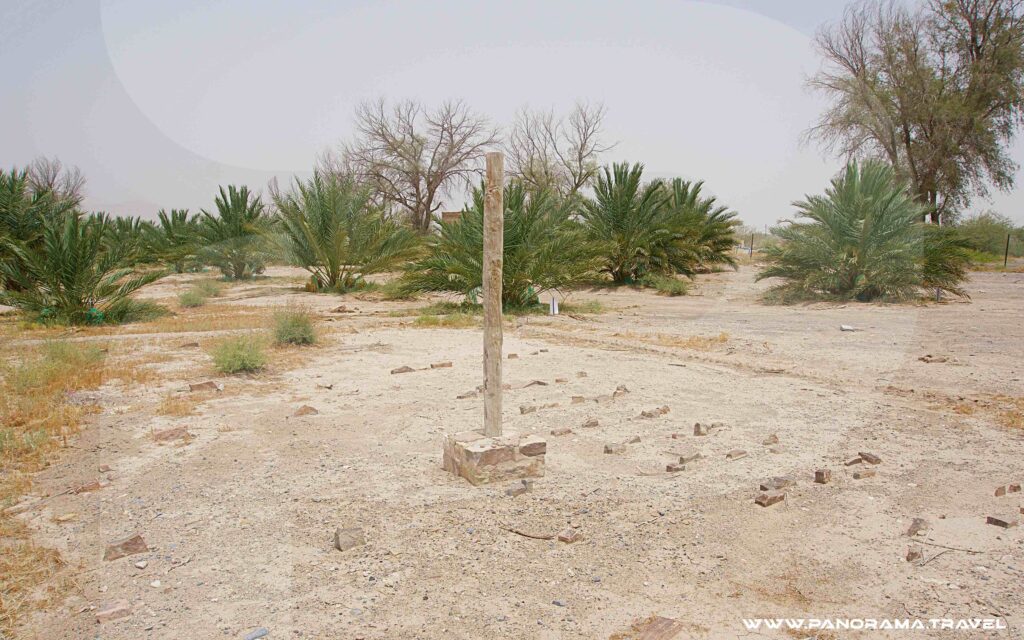
The most widespread astronomical tool is the sundial, typically consisting of a vertical pole whose shadow is cast onto lines marked on the ground . The movement of the shadow across these lines demarcated time intervals for water shares. These sundials were often placed in prominent locations, serving as public timekeepers for the community .
A gnomon-based sundial consisting of a vertical pointer whose solar shadow falls upon calibrated ground markings, enabling the determination of time intervals through the diurnal motion of the sun.
Star Watching
At night, when the sun could not serve as a timekeeper, communities turned to the stars. The practice of using stars for timing water shares, known to be ancient and pre-Islamic, involves observing the rising or setting of specific stars above a fixed horizon or man-made marker . In some villages, “official observing points” were established, often marked on walls, where the falaj master or a designated stargazer would watch for the appearance or disappearance of particular celestial bodies . This required the community to maintain a deep knowledge of the stars, with “the great majority of stars used or formerly used” being identified and named .
The UNESCO Portal to the Heritage of Astronomy documents that in some villages, such as Beni Subh and Barzaman, the use of stars for timing water shares continues to this day, while in others, it stopped only in the late 1960s or early 1970s with the widespread availability of wristwatches . The use of stars is considered “almost extinct and is unlikely to last more than a decade or so” as the older generation passes away and light pollution obscures the night sky . However, the practice remains a testament to the profound connection between Omani communities and their environment .
Start Towers
While the search results do not provide detailed information on “start towers” specifically, the historical context suggests that this term may refer to watchtowers or observation points used for astronomical observations, or it could refer to the access shafts (thuqub) used as reference points for water division . These towers may have served dual purposes, protecting the falaj system from threats while also providing elevated platforms for observing the heavens, thereby reinforcing the integration of practical engineering with celestial navigation . The agricultural demand areas are described as being criss-crossed by a network of open channels, where old watchtowers, mosques, buildings, and sundials “testify to the genius, intelligence, and engineering capabilities of the falaj communities” .
The Enduring Legacy: Culture, Environment, and Future
The aflaj system is more than a relic of the past; it is a living tradition that embodies the values of fairness, cooperation, and community cohesion that continue to define Omani society . The aflaj have provided the virtual lifeline for oasis life in Oman since the first millennium BCE, and their enduring vitality is a testament to the wisdom of the generations that built and maintained them . The system’s structure, rooted in Ibadi Islamic legal rulings, created a flexible framework that enabled communities to adapt to changing environmental and socio-political circumstances over centuries .
Today, the aflaj face new challenges, including climate change, rainfall variability, and increasing water demand, as well as the pressures of urban expansion . The restoration and preservation of these systems require both rehabilitation projects and sustainable policies, with experts emphasizing “combining traditional practices with modern strategies — integrating aflaj into national water security and agricultural planning, while fostering local stewardship” . The success of preservation “depends on public awareness and the contribution of local people and institutions”.
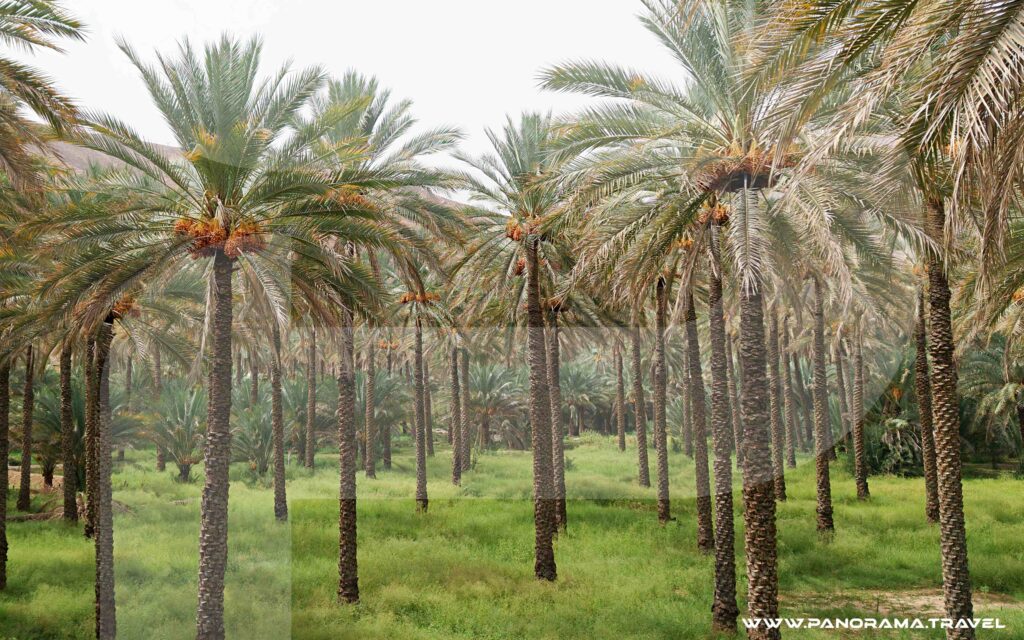
Oman’s aflaj system stands as one of humanity’s most enduring and ingenious achievements. From the depths of the earth where the falaj da’udi channels ancient groundwater, to the celestial heights where stargazers divided time by the stars, these irrigation systems represent the fusion of practical engineering, sophisticated social governance, and profound cultural and spiritual values. As Oman continues to lead regional efforts to preserve and promote this heritage, the aflaj serve as a bridge between past wisdom and future resilience, a living testament to the Omani people’s enduring relationship with water, and an inspiring example of how communities can thrive in harmony with one of the world’s most challenging environments . In the words of one Omani official, “These aflaj are not merely water sources; they are a way of life that for centuries enabled agriculture and community stability” .