
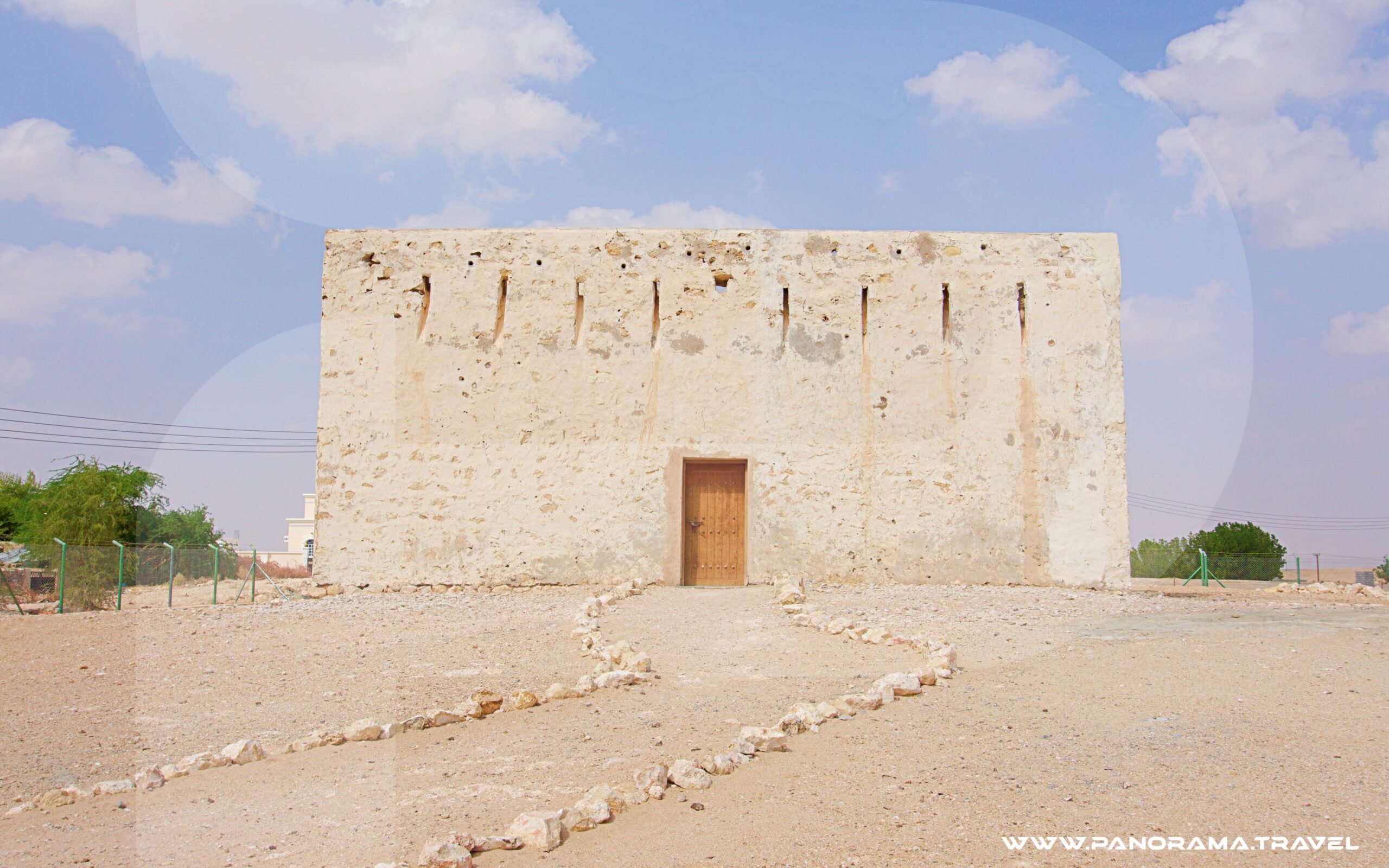
Hidden beneath the vast sands of southern Oman lies one of Arabia’s most enduring mysteries—the Lost City of Ubar, often referred to as the Atlantis of the Sands. For centuries, this legendary settlement has captivated explorers, historians, and geographers who believed it to be a once-great city linked to the fabled Kingdom of Sheba and the ancient frankincense trade routes that connected Arabia to the wider ancient world.
Oman’s Legendary Atlantis of the Sands
Early Arab scholars and geographers, including Yaqut al-Hamawi and Al-Hamdani, recorded references to prosperous settlements in southern Arabia. Centuries later, European explorers such as Theodore Bent, Bertram Thomas, and Wilfred Thesiger ventured deep into the Empty Quarter, guided by Bedouin legends of a wealthy city swallowed by the desert. Their writings sparked international fascination, yet the precise location of Ubar remained elusive for decades.
Renewed momentum in the search for Ubar emerged in the 1982, when National Geographic arrived in Oman to document the historic reintroduction of the Arabian White Oryx. During this period, researchers formed the Trans-Arabia Expedition, expanding their efforts to investigate ancient texts, Bedouin oral traditions, and geographical clues uncovered alongside oil exploration missions—each pointing toward a lost settlement buried within the Rub’ al Khali.
Revealed from Space to the Sands
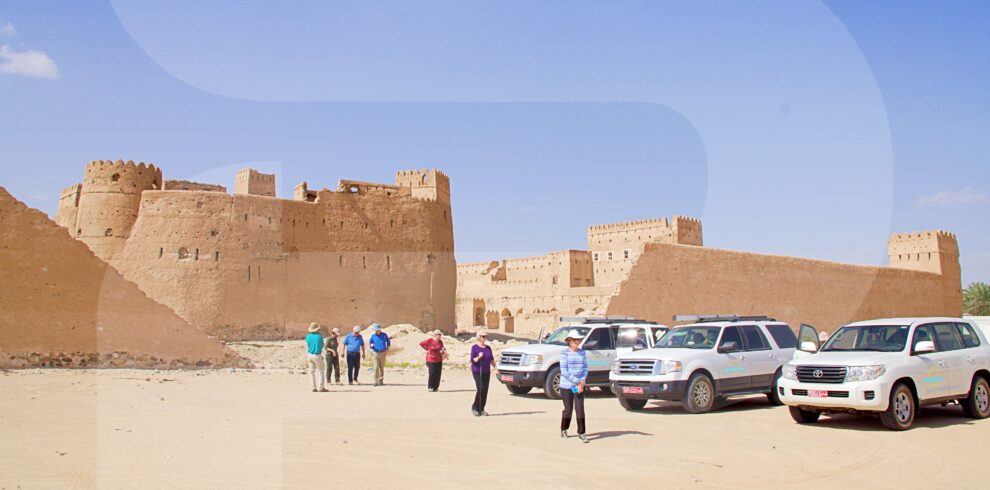
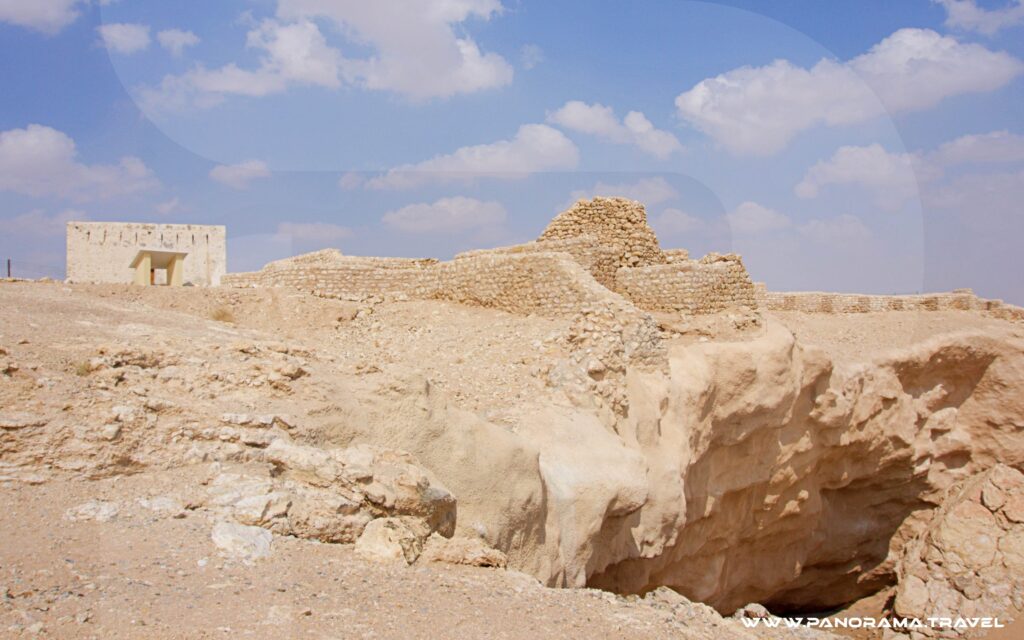
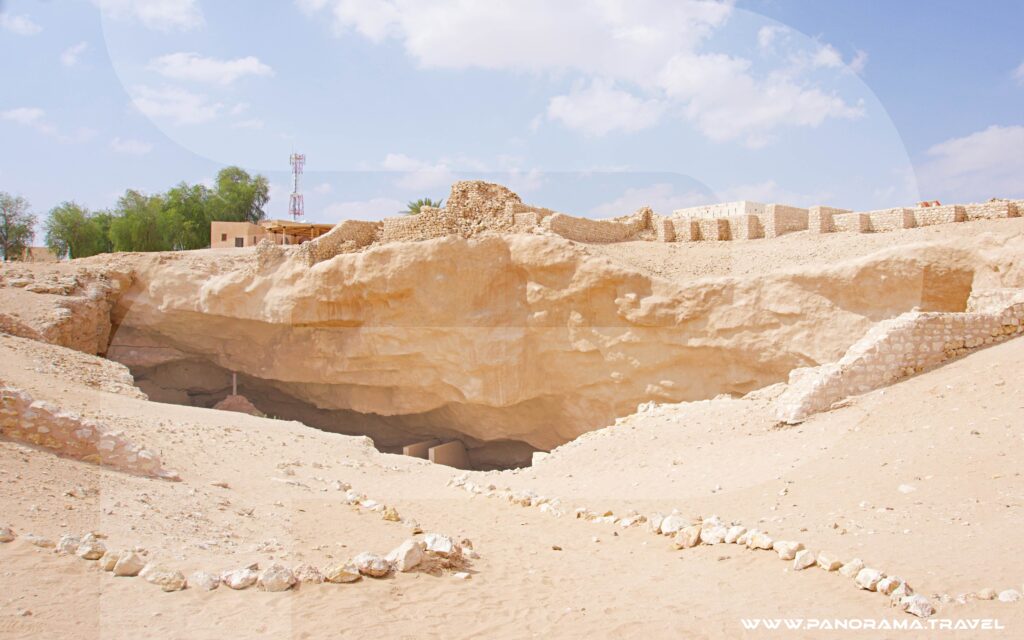
The decisive breakthrough came with the use of high-resolution satellite imagery from NASA’s Jet Propulsion Laboratory (JPL) in California. These images revealed networks of ancient caravan routes converging on a single location in the desert—Shisr, near Salalah. Archaeological excavations at the site uncovered the remains of a fortified settlement built above a vast limestone cavern. The collapse of this underground void is widely believed to have contributed to the city’s sudden and dramatic destruction.
From Chessboards to Caravan Routes: City of Trade, Culture, and Mystery
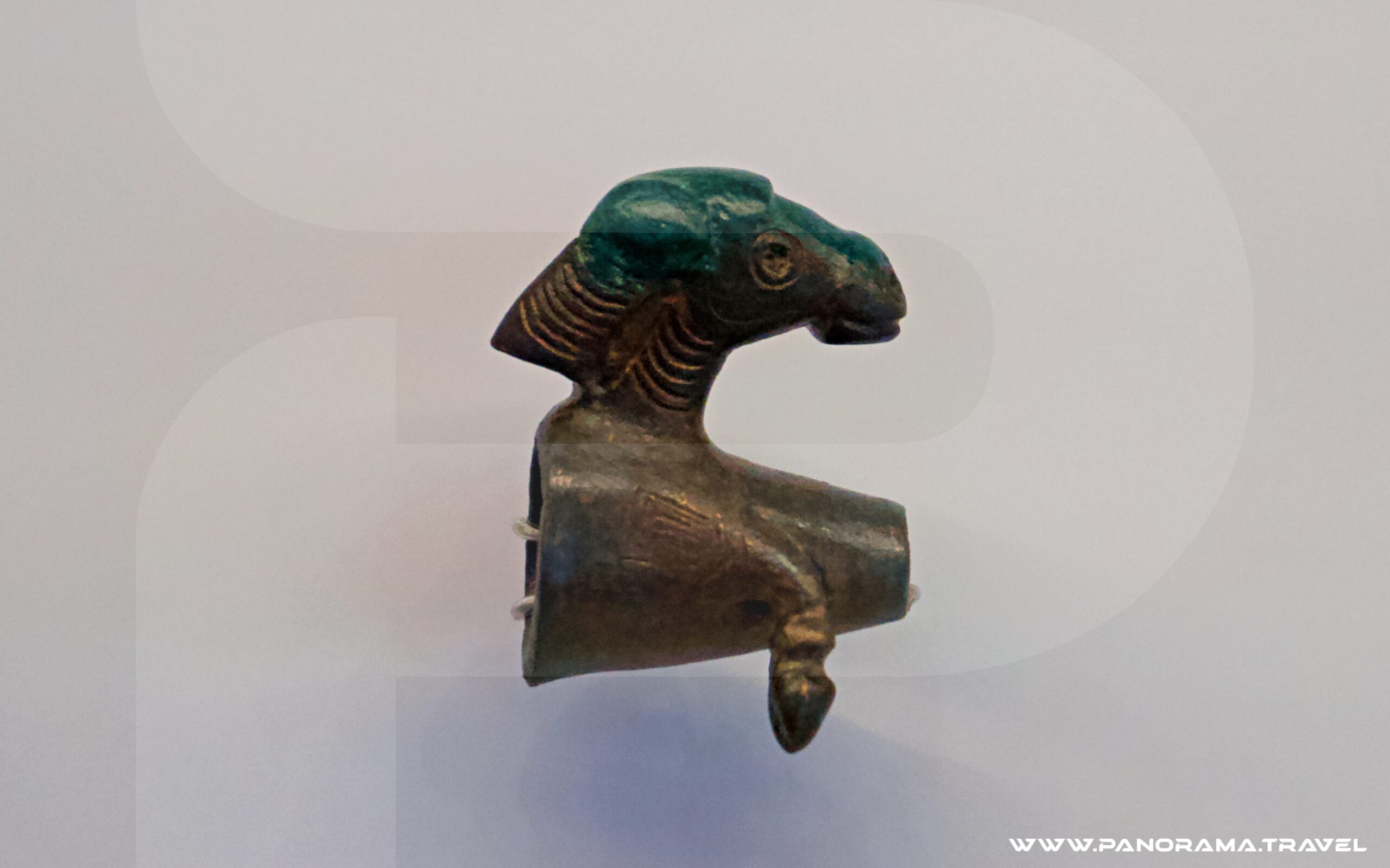
Among the most remarkable discoveries at Shisr was an early medieval chess set, possibly dating to the 8th–10th centuries AD. These pieces represent a rare and significant example of an actual chess set found in the Middle East, offering valuable insight into the cultural, intellectual, and social life of the settlement during its later occupation.
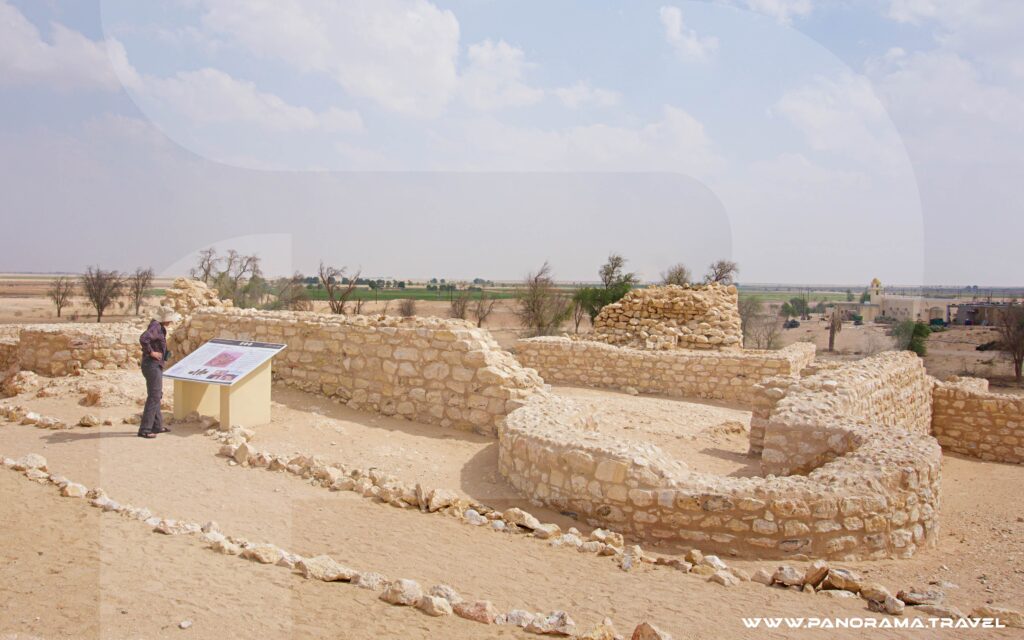
Directly in front of the site’s interpretive plaque stands a small central structure, believed to have served as the administrative building of the fort, where official, commercial, and strategic activities would have been managed.
Today, Shisr is widely recognized as the most credible location of the Lost City of Ubar. Visitors can walk among the ruins and imagine a time when caravans laden with frankincense passed through this vital crossroads, linking southern Arabia with Mesopotamia, the Mediterranean, and beyond.
The Lost City of Ubar is more than a legend—it is a powerful testament to Oman’s rich heritage, where myth, exploration, and modern science converge beneath the timeless desert sands.
The Lost City Of Ubar Is More Than A Legend—It Is A Powerful Testament To Oman’s Rich Heritage, Where Myth, Exploration, And Modern Science Converge Beneath The Timeless Desert Sands. Join Our Next Departures.