
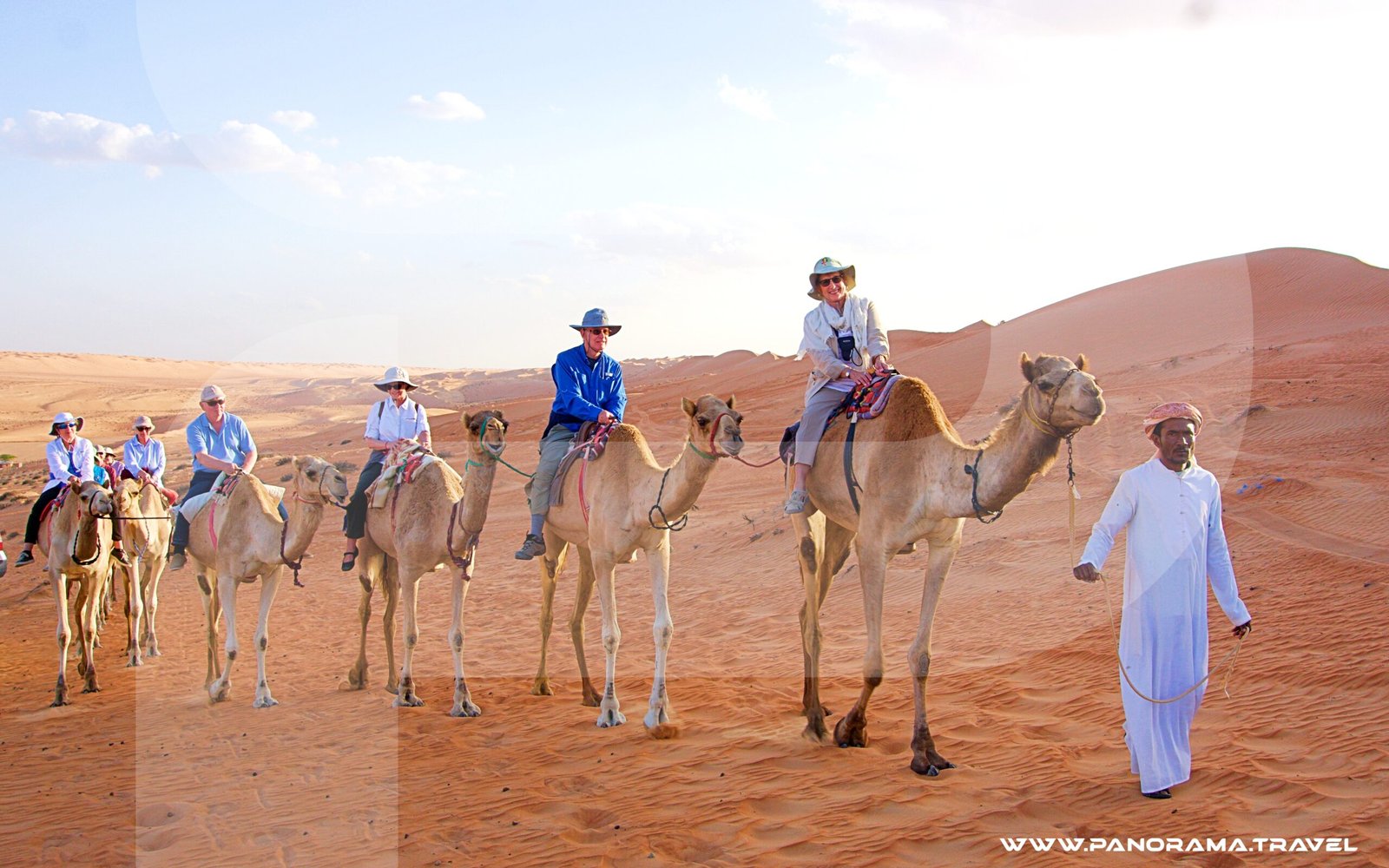
Join Our Next Departure – Limited Spaces Available!
| ✈️ Next Departure 1 October 2026 ✅ 5,330.00 $USD per person, twin share ✅ 1,090.00 $USD single supplement ✔️ EXPERT TOUR LEADERS ✔️ MAXIMUM 12 IN A GROUP ✔️ ITINERARY DESIGNED BY EXPERTS |
This 4WD adventure promises not just sights, but stories—woven through Oman’s enduring legacy of trade, tradition, and tranquility. Join us to uncover the embers of an ancient world, still glowing brightly today.
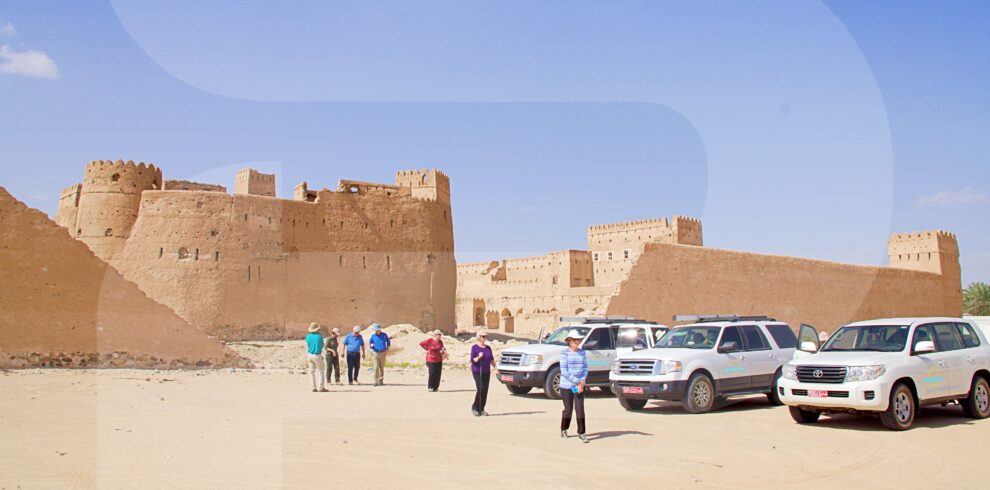
FIX DEPARTURE. Adventure through Oman's dramatic terrain, uncover ancient history, and embrace its legendary hospitality.
MUSCAT ANCIENT PORT & 16TH CENTURY PORTUGUESE FORTS
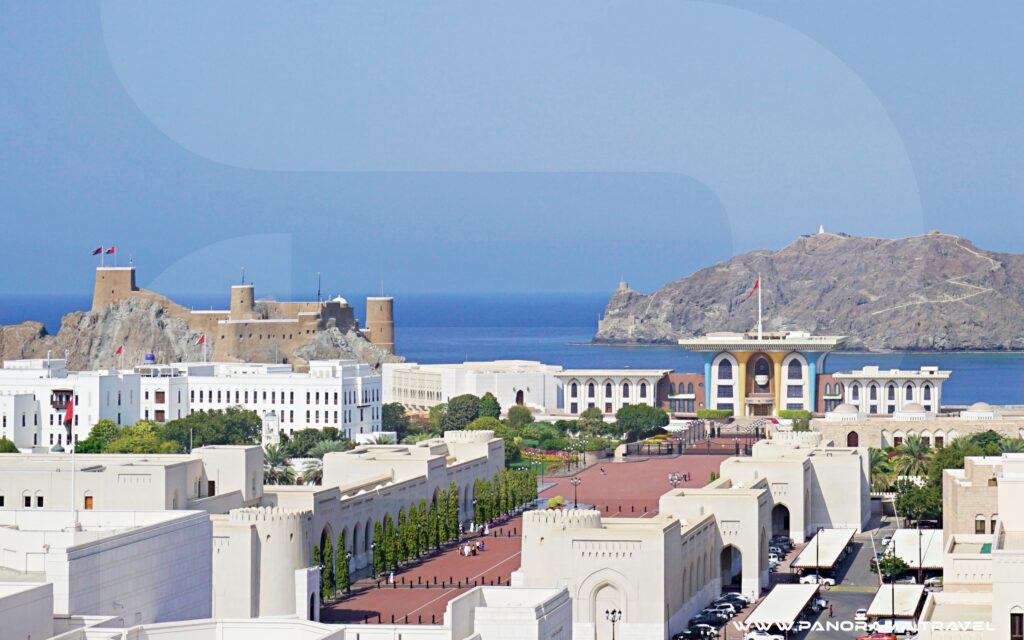
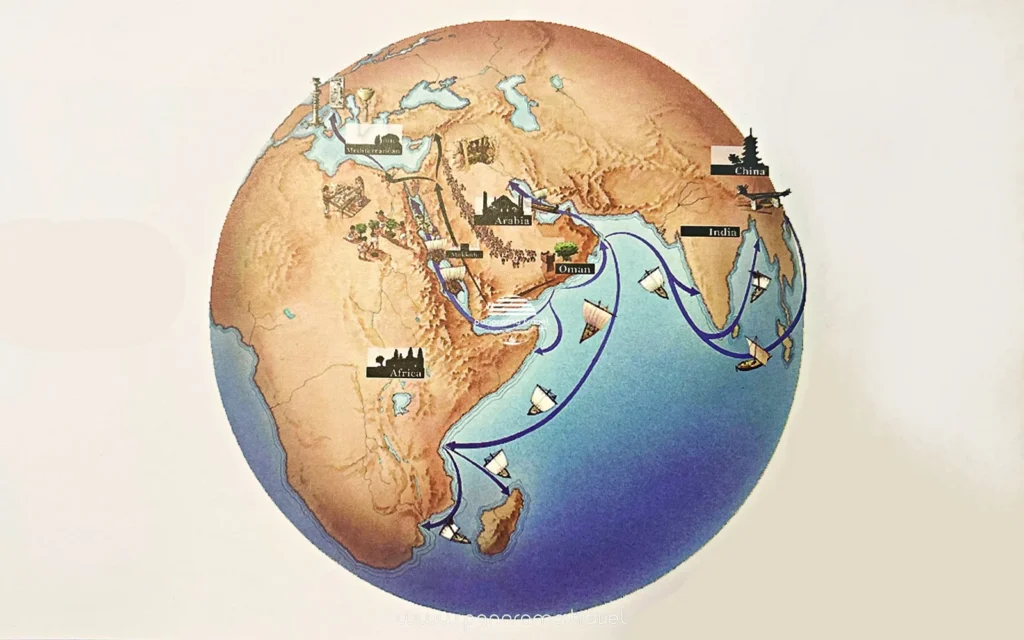
Muscat’s ancient port and the 17th-century Portuguese forts stand as enduring symbols of Oman’s maritime heritage and strategic importance on the Arabian Peninsula. For centuries, Muscat’s natural deep-water harbor made it a vital node in Indian Ocean trade networks, linking the Arabian Gulf, East Africa, India, and Southeast Asia. Merchants, sailors, and imperial powers converged here, shaping a cosmopolitan port city whose fortunes were tied to seafaring commerce, naval power, and the exchange of goods, ideas, and cultures.
In the early 16th century, Portuguese expansion into the Indian Ocean brought fortified outposts to Muscat’s coastline. By the 17th century, Portuguese garrisons had constructed imposing forts—characterized by thick stone walls, angled bastions, and commanding vantage points overlooking the harbor—to control maritime routes and protect their trading interests. These military structures, blending European military engineering with adaptations to local materials and climate, symbolized a brief but impactful era of foreign dominance. Prominent among them are forts whose ruins and restored segments continue to punctuate Muscat’s rocky promontories, offering tangible links to the city’s layered past.
Beyond their martial function, the port and forts shaped Muscat’s urban development and collective memory. The interplay between defensive architecture and bustling waterfront activity created a unique seafaring landscape where dhow fleets, caravan goods, and diplomatic exchanges animated the shore. In modern times, conservation and adaptive reuse efforts have sought to preserve these historic sites while integrating them into Muscat’s cultural tourism—museums, interpretive displays, and panoramic walkways now invite visitors to explore both the maritime economy that once thrived here and the architectural legacy of the Portuguese presence.
Today, Muscat’s ancient port and its 17th-century forts are celebrated not only as relics of military history but as living monuments to the city’s enduring role as a gateway between civilizations, where maritime heritage continues to inform identity, scholarship, and tourism.

NIZWA: CRADLE OF OMANI SCHOLARSHIP AND EMPIRE

Nizwa, long celebrated as the cradle of Omani scholarship and statecraft, embodies the historical heart of Oman through its architectural, social, and agricultural heritage. Once a principal center of the Imamate, Nizwa fostered religious learning, jurisprudence, and political authority that shaped Oman’s identity across centuries. Its intellectual legacy is reflected in the town’s mosques, madrasas, and the sustained importance of scholarly families whose influence extended throughout the interior of the Sultanate.
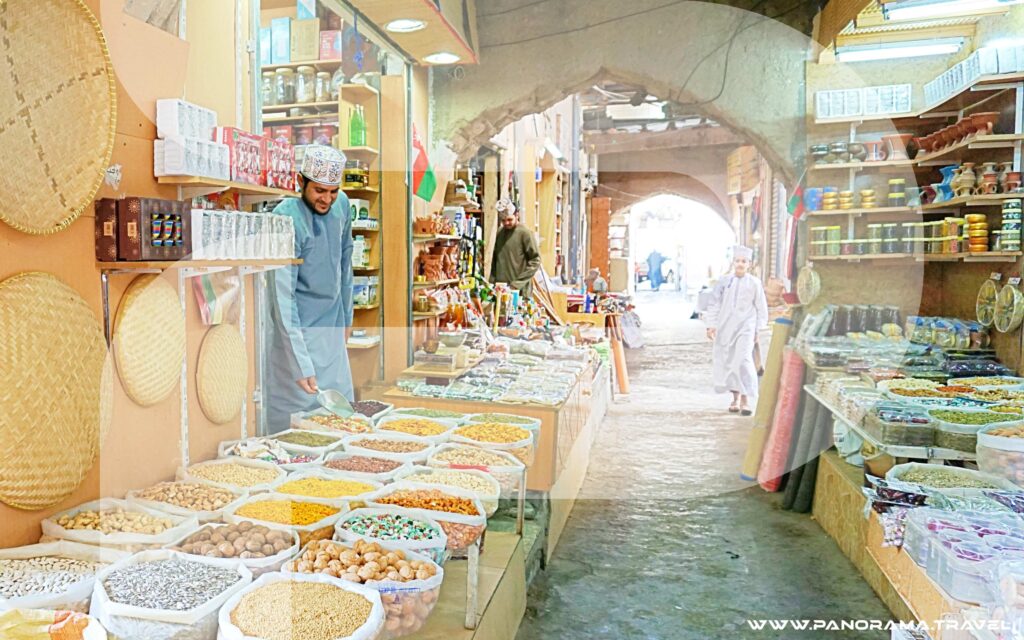
At the center of Nizwa’s urban life is the vibrant souq, a living marketplace where tradition and trade intersect. Stalls and alleyways hum with the exchange of silver jewelry, traditional daggers (khanjars), intricately woven textiles, and local produce — preserving crafts and commercial practices handed down through generations. The souq remains not only a tourist attraction but a social institution where community rites, auctions, and seasonal festivals animate daily life.
Dominating the landscape, Nizwa Fort stands as a monumental symbol of Omani resilience and governance. Its massive cylindrical tower, thick ramparts, and strategically designed passages reflect sophisticated military architecture intended to protect the city and administer justice. Carefully conserved, the fort now interprets Nizwa’s political history while offering panoramic views of the surrounding oasis and date plantations.
The fertile Nizwa oasis, sustained by palm groves and cultivated plots, exemplifies traditional desert agriculture. This agricultural productivity owes much to the ancient Aflaj irrigation system — a network of gravity-fed channels that distribute groundwater to fields and settlements. Recognized collectively with other Omani aflaj by UNESCO, these systems illustrate sustainable water management, communal governance, and engineering ingenuity adapted to arid environments.
Together, Nizwa’s souq, fort, oasis, and Aflaj form an integrated cultural landscape where scholarship, commerce, defense, and water culture converge. As both a repository of living traditions and a focal point of heritage conservation, Nizwa offers a compelling narrative of Oman’s past and an enduring model of community-centered stewardship in a changing world.
THE LAND OF FRANKINCENSE: OMAN’S AROMATIC GIFT TO THE WORLD

The UNESCO-designated Frankincense Land in Oman preserves a remarkable cultural landscape where natural resources, ancient trade networks, and human ingenuity intersect. Centered on the Dhofar region, these sites—including the historical ports of Khor Rori and Sumhuram 3000BCE, the frankincense-producing Boswellia sacra groves, and associated caravan routes—testify to a millennia-old economy built on the prized aromatic resin. The frankincense trade linked southern Arabia to the Mediterranean, India, and beyond, shaping religious rituals, medicine, and cross-cultural exchange from antiquity through the medieval era.
At the heart of the designation are the frankincense trees themselves. Boswellia sacra, adapted to the harsh, rocky escarpments and seasonal monsoon climate of Dhofar, yields the resin through careful tapping practices passed down across generations. The trees and their harvesting techniques represent an ecological and cultural continuity: seasonal migrations of harvesters, traditional knowledge of wound management for tree health, and communal systems for resin collection and distribution.
Complementing the natural resource are the archaeological and infrastructural remnants that chart the movement of incense along the famed frankincense routes. Caravans once traversed desert corridors and coastal waypoints, while fortified ports facilitated maritime export. Excavated settlements, caravanserais, and harbor works illuminate the logistical complexity and international reach of the trade, revealing links to Parthian, Roman, and South Asian markets.
Interpretation and preservation are furthered by museums and visitor centers that contextualize the frankincense legacy through artifacts, multimedia exhibits, and living demonstrations of tapping and processing. These institutions serve both scholarly research and public education, fostering sustainable tourism that supports local communities and conservation efforts.
Collectively, the Frankincense Land sites embody a unique integration of natural ecology, economic history, and cultural practice. As living heritage, they continue to inspire study and stewardship, underscoring frankincense’s profound role in shaping human networks and spiritual traditions across continents.
THE WORLD MOST COMPLETE & WELL PRESERVE BRONZE AGE SITE
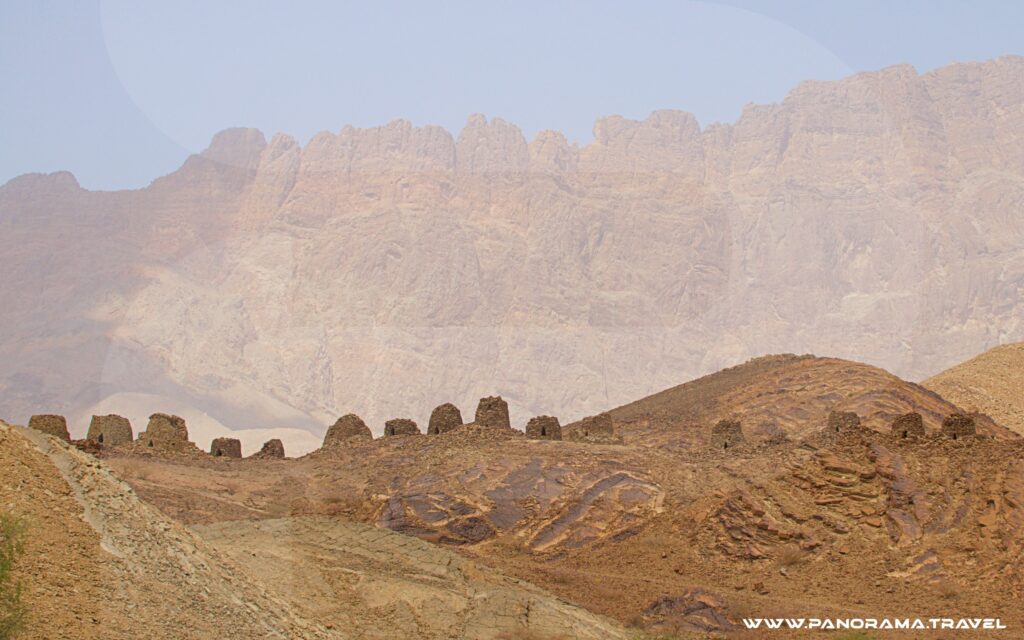
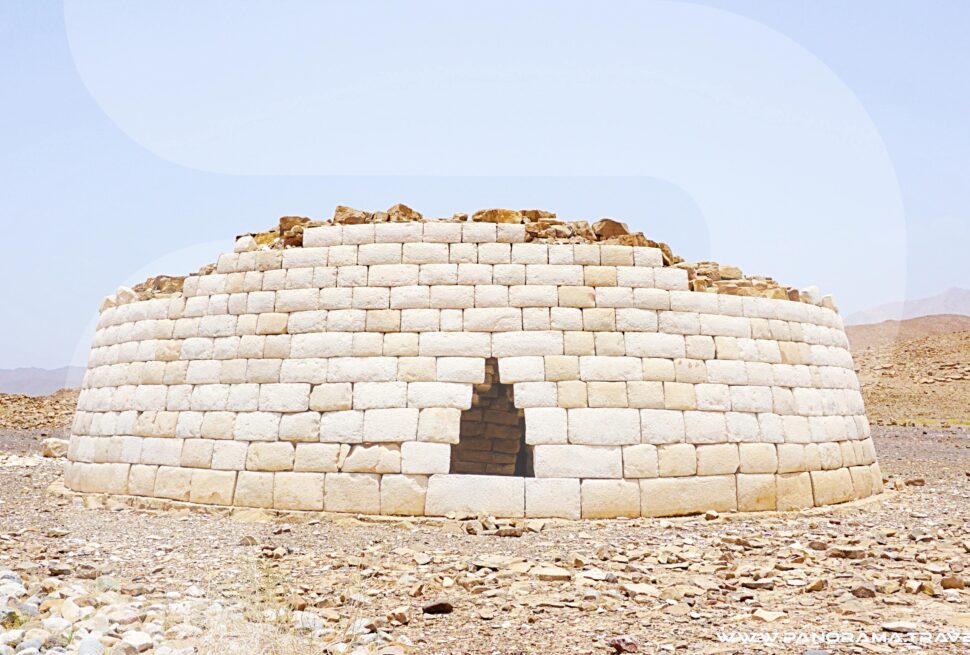
Bat & Al Ain UNESCO Bronz Age Beehive Tombs (Hafit Period 3200-2600 BCE)
The interconnected sites of Bat, al-Khutm and al-Ayn form one of the world’s most complete and best-preserved Early Bronze Age cultural landscapes. Situated amid Oman’s interior palm groves, they present an exceptional concentration of 3rd-millennium BCE settlements, towers and necropolises.
At Bat tombs UNESCO Site, seven monumental stone towers—with an additional example at al-Khutm—demonstrate remarkable architectural sophistication. Built with carefully dressed limestone blocks, these circular structures measure 20–25 metres in diameter and contain concentric compartments arranged around a central core. Their purpose remains debated, but they likely supported significant superstructures, possibly ceremonial or residential.
The surrounding necropolis includes hundreds of tombs representing two major traditions: early Hafit-period beehive tombs positioned on surrounding ridges, and later Umm an-Nar multi-chambered cairns spread across the terraces. Additional beehive tombs at al-Ayn, 22 kilometres away, further illustrate the region’s long and evolving funerary practices.
Uniquely, the landscape preserves ancient quarries and stone-working workshops, offering rare insight into Bronze Age construction methods—from raw material extraction to finished architecture. Ongoing archaeological surveys continue to expand the number of recorded towers, settlements, quarries, cemeteries, and even later Iron Age and Neolithic sites, enriching our understanding of Oman’s early cultural development.
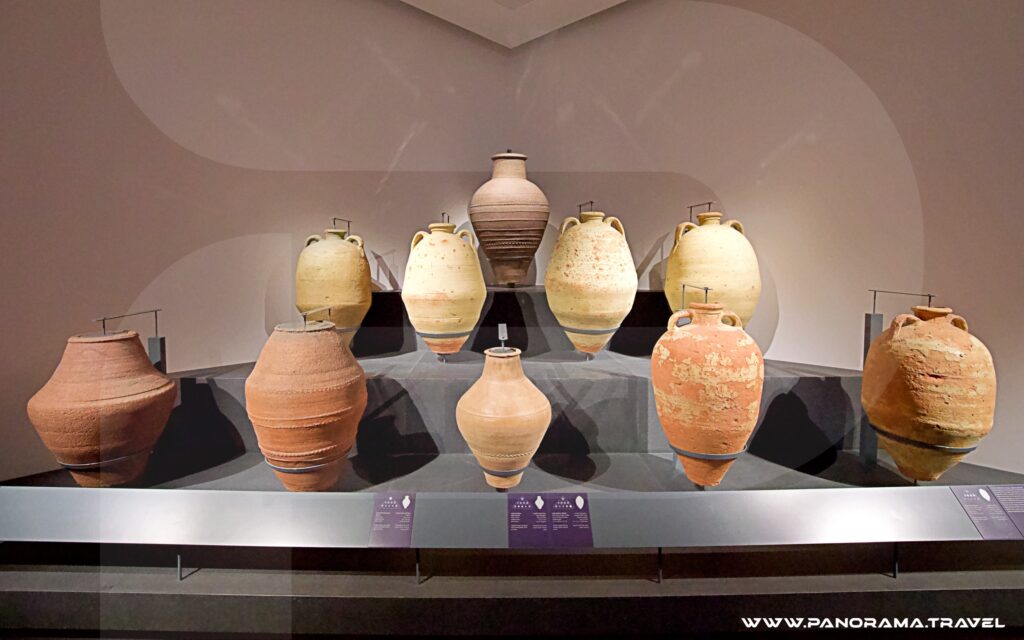
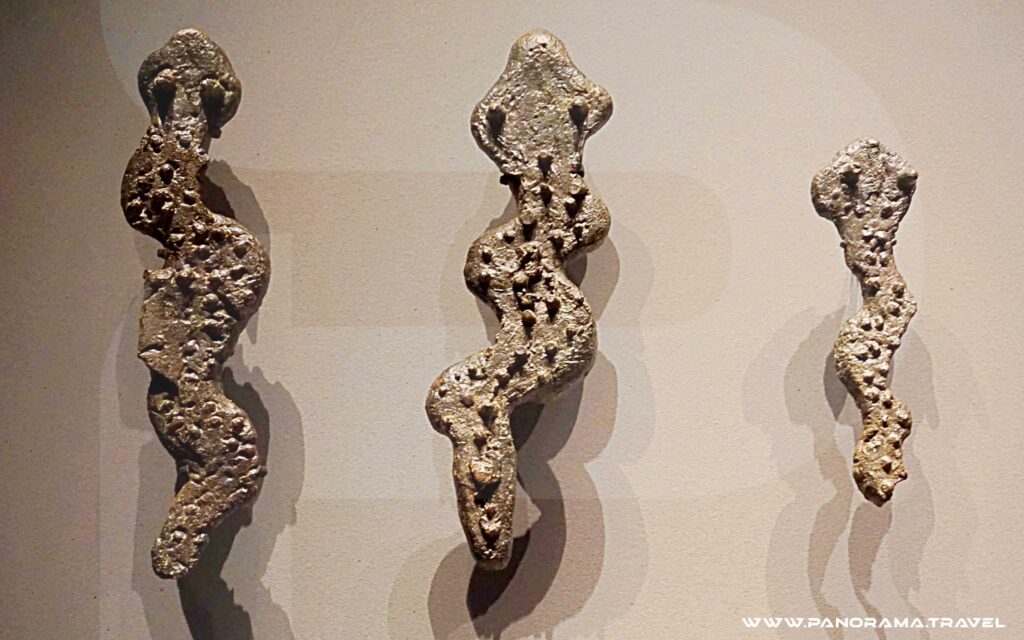
The Oman Across Ages Museum and the Land of Frankincense Museum both showcase artifacts excavated from these sites, including fishing tools, pottery jars, copper items, and imported goods originating from the Indus Valley civilization.
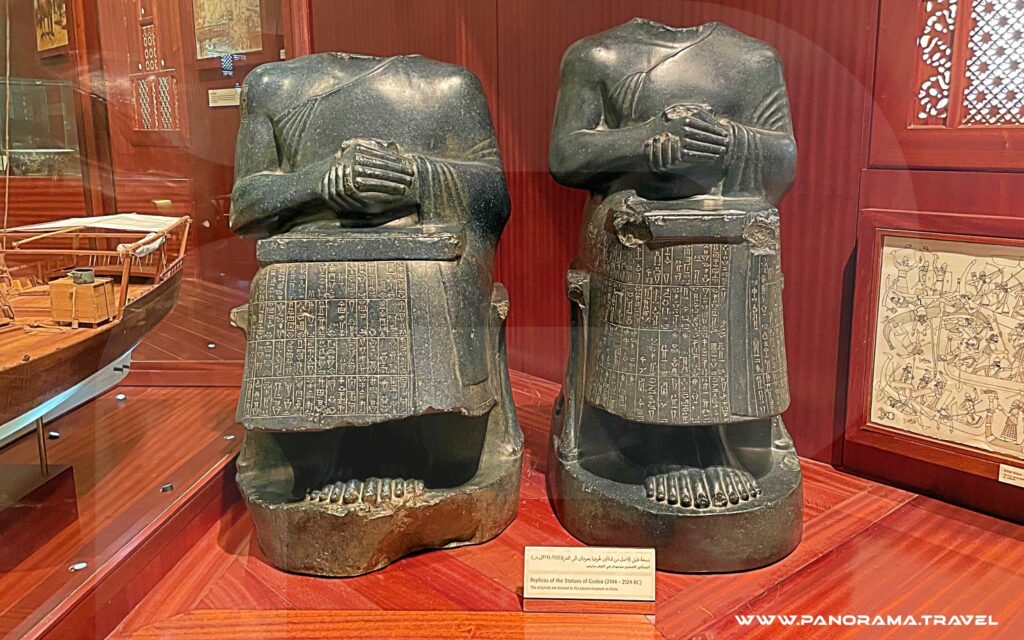
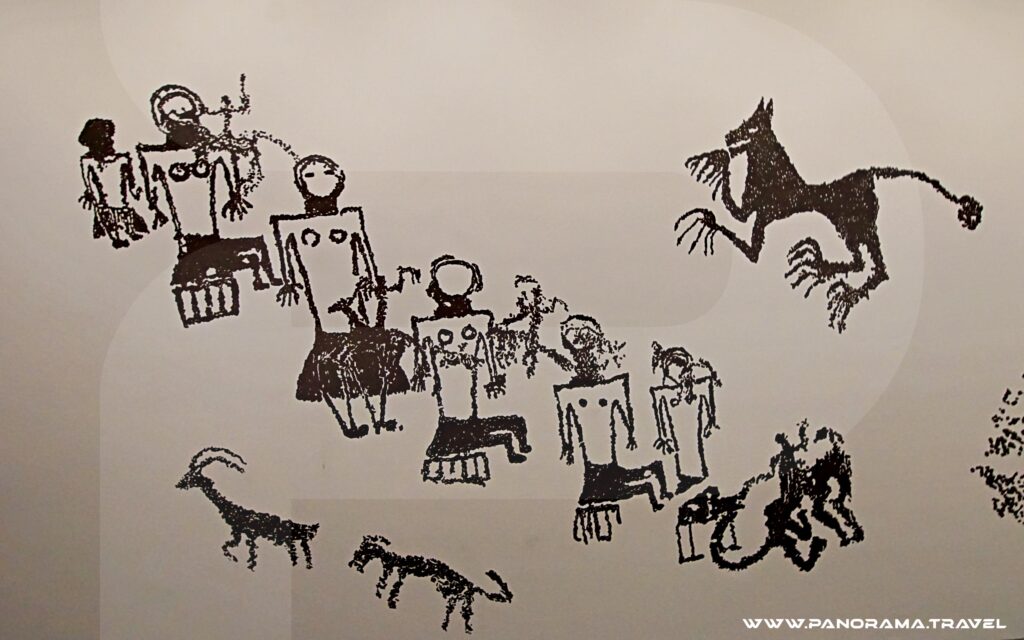
HIDDEN BEYOND THE STRAIT OF HORMUS & INACCESSIBLE BY ROAD, THE ANCIENT OMAN VILLAGE OF KUMZAR AWAITS THOSE WHO ARRIVE BY SEA
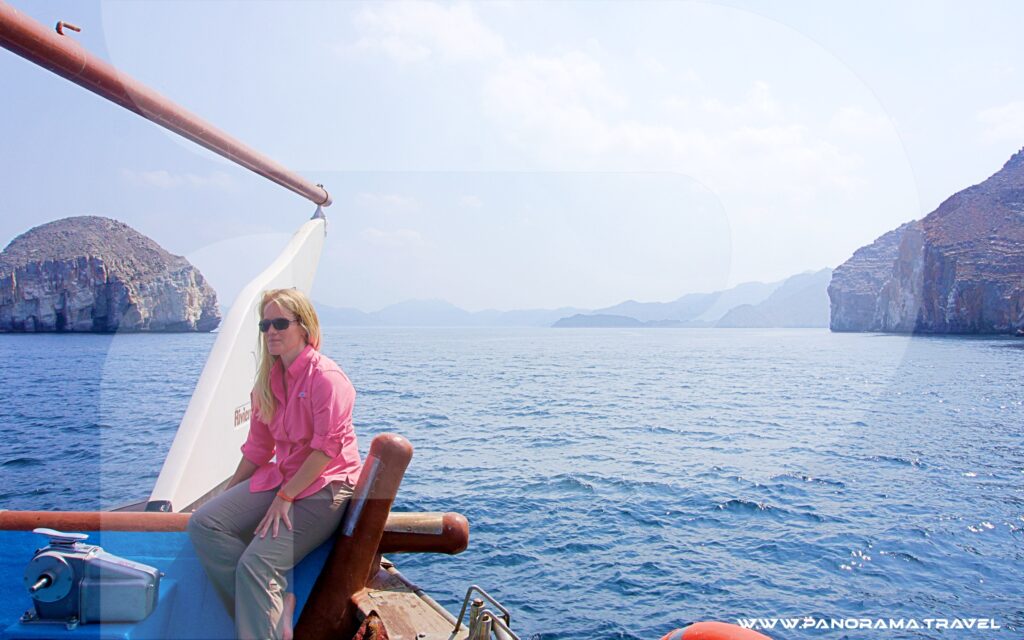
The Strait of Hormuz stands as one of the most strategically vital maritime passages in the world, connecting the Arabian Gulf to the Gulf of Oman and the open Arabian Sea. Bordered by Iran to the north and Oman to the south, this narrow waterway—approximately 33 kilometers (21 miles) at its narrowest point—has shaped global trade and geopolitics for millennia.
Ancient Importance
The Strait of Hormuz has served as a critical hub since ancient times. As early as the Mesopotamian era, it facilitated maritime trade linking the Arabian Gulf region with the Horn of Africa, the Indian Ocean, and beyond. Luxury goods such as silk, spices, ceramics, ivory, pearls, and Arabian horses flowed through these waters, connecting distant civilizations. The island of Hormuz, positioned strategically within the strait, emerged as a thriving emporium during the medieval period, controlling access to Arabian Gulf trade routes. European powers, including the Portuguese in the 16th century, recognized its value and established forts to dominate commerce between Europe, the Middle East, and Asia. Colonial eras under Portuguese, Dutch, and British influence further underscored its role in securing lucrative routes for spices, textiles, and other commodities. For centuries, the strait has been indispensable for hinterland regions rich in goods but lacking direct ocean access, making it a timeless crossroads of East-West exchange.
Modern Energy Significance
Today, the Strait of Hormuz’s importance has intensified with the discovery and export of vast oil and gas reserves in the Arabian Gulf. It is the world’s most critical oil transit chokepoint, through which approximately 20-21 million barrels of oil per day flow—equivalent to about 20-25% of global seaborne traded oil and roughly one-fifth of total world oil consumption. In recent years, around 20% of global liquefied natural gas (LNG) trade also transits the strait, primarily from Qatar and other Gulf producers destined for Asia, Europe, and beyond. Much of this energy originates from major exporters like Saudi Arabia, Iraq, the UAE, Kuwait, and Iran itself, with a significant portion heading to Asian markets such as China, India, Japan, and South Korea.
Any disruption here—whether through conflict, blockade, or accident—could spike global energy prices, cause supply shortages, and ripple through economies worldwide, as few viable alternatives exist for rerouting such volumes.
The International Virtual Sailing Channel in Omani Territorial Waters
Under international maritime law, primarily the United Nations Convention on the Law of the Sea (UNCLOS), the Strait of Hormuz qualifies as an international strait. Ships enjoy the right of transit passage, allowing continuous and expeditious movement even through territorial waters.
The designated shipping lanes follow a Traffic Separation Scheme (TSS) approved by the International Maritime Organization. These lanes—two miles wide for inbound and outbound traffic, separated by a two-mile buffer—are positioned primarily within Omani territorial waters, especially at the narrowest sections. This places much of the commercial traffic route in Oman’s jurisdiction, enabling vessels to avoid Iranian waters where tensions occasionally arise. Many operators now route closer to Oman for added safety, adhering to recommendations that prioritize Omani-side navigation without compromising security.
Oman’s stable stewardship of its waters contributes to the strait’s reliability as a global energy artery, balancing sovereignty with the international community’s need for unimpeded flow.
In summary, from its ancient role in spice and silk trade to its modern status as the linchpin of global energy security, the Strait of Hormuz remains indispensable. Its protection ensures stability for world markets, underscoring Oman’s pivotal position in safeguarding this vital lifeline.

AUTHENTIC ARABIAN DESERT: JOURNEY FROM THE GREATEST SAND OCEAN TO THE HIGHEST DUNES ON EARTH
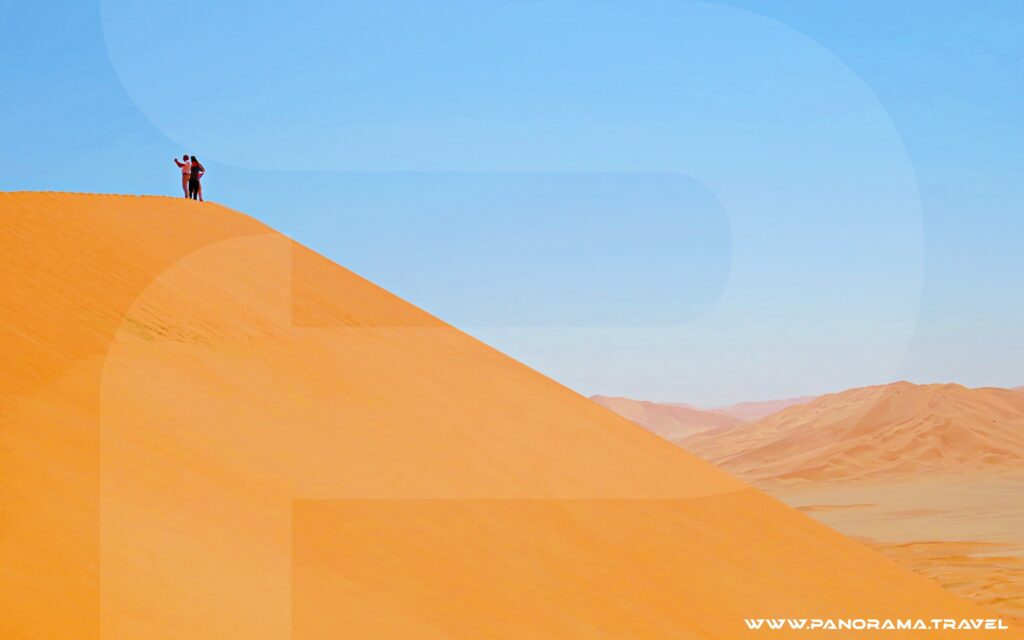
The Empty Quarter (Rub’ al Khali) is one of the planet’s most extraordinary and formidable deserts — a vast sand sea that dominates the southern Arabian Peninsula. Spanning roughly 650,000 square kilometers across Saudi Arabia, Oman, the United Arab Emirates, and Yemen, it ranks among the largest contiguous sand deserts in the world. Its scale, silence, and sculpted dunes evoke a landscape at once sublime and inhospitable.
Characterized by towering, wind-sculpted dunes that can reach several hundred meters in height, the Empty Quarter presents a study in extremes: blistering daytime heat, frigid nights, and minimal, unpredictable rainfall. Beneath its apparent barrenness lies a complex subterranean hydrology; fossil aquifers and hidden oases historically sustained nomadic populations and sporadic vegetation. Specialized flora and fauna — highly adapted arthropods, reptiles, and hardy shrubs — occupy ecological niches shaped by long-term climatic pressures.
Historically and culturally, the Empty Quarter has played a formative role in Arabian life. For centuries, Bedouin tribes navigated its margins and trade routes, their knowledge of terrain and seasonal resources intimately tied to survival. The desert also captured the imagination of explorers and scientists in the 20th century, prompting pioneering expeditions that expanded understanding of geology, paleoclimate, and desert ecology.
In contemporary times, the Empty Quarter poses both opportunities and challenges. Its mineral and hydrocarbon resources have spurred economic interest, while its remote beauty has become a focal point for measured ecotourism and scientific research. Simultaneously, environmental concerns — groundwater depletion, disturbance of fragile habitats, and the broader impacts of climate change — underscore the need for sustainable management.
Preserving the Empty Quarter’s ecological integrity and cultural heritage requires an integrated approach: rigorous scientific study, community engagement, and policies that balance development with conservation. In its vastness, the Empty Quarter remains a powerful emblem of nature’s extremes and a reminder of the stewardship required to protect such singular landscapes for future generations.

THE OMAN’S WILD KINGDOM: FROM TURTLES AND LEOPARDS TO THE LARGEST CREATURE ON EARTH
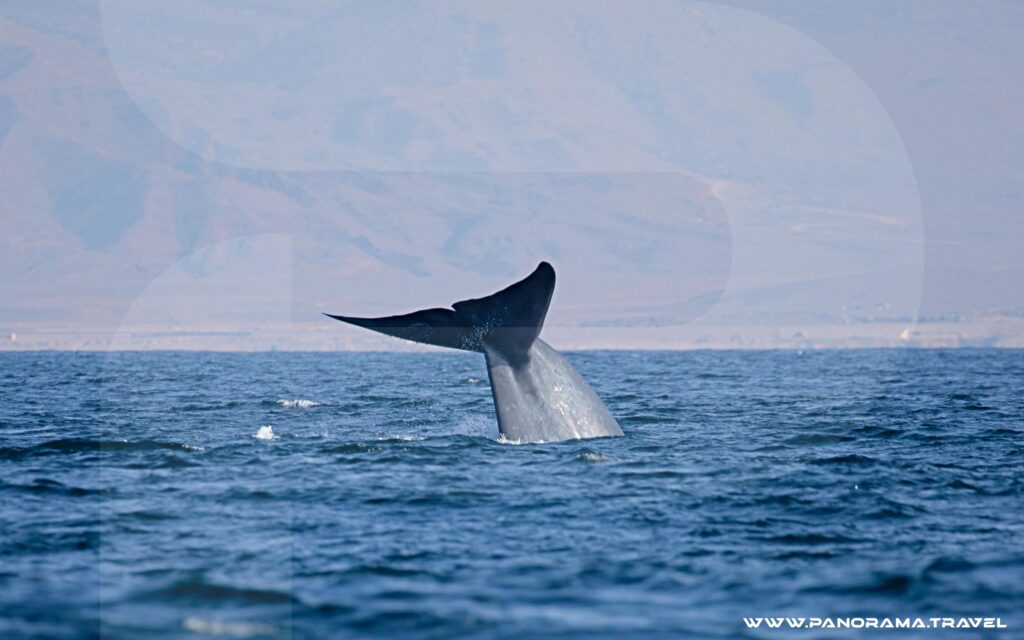
Oman stands as an extraordinary sanctuary of biodiversity, where dramatic landscapes—from rugged mountains and vast deserts to lush monsoon plains and pristine coastlines—converge to create one of the Arabian Peninsula’s most significant wildlife habitats. The Sultanate offers encounters with nature that few destinations can match, ranging from ancient marine reptiles to the largest animal ever to have lived.
Along Oman’s pristine beaches, a timeless ritual unfolds annually. The Arabian Sea coast hosts some of the world’s most important nesting sites for sea turtles, with the Ras Al Jinz Scientific and Visitor Centre standing as a global landmark for the endangered green turtle. Here, thousands of females emerge nightly under the cover of darkness to lay their eggs in the very sands where they themselves hatched decades earlier. Loggerhead, hawksbill, and olive ridley turtles also grace Omani shores, their ancient nesting cycle continuing uninterrupted along protected coastlines.
Beyond the beaches, Oman’s waters teem with remarkable marine life. The Arabian Sea harbors diverse cetacean populations, including playful spinner dolphins, majestic humpback whales—including a unique resident population of critically endangered Arabian humpbacks—and, on rare and breathtaking occasions, the blue whale. These gentle giants, reaching 30 meters in length and weighing up to 200 tons, represent the ultimate wildlife encounter. Their presence in Omani waters underscores the extraordinary productivity of this marine environment, where seasonal upwellings of nutrient-rich waters support an entire ecosystem.
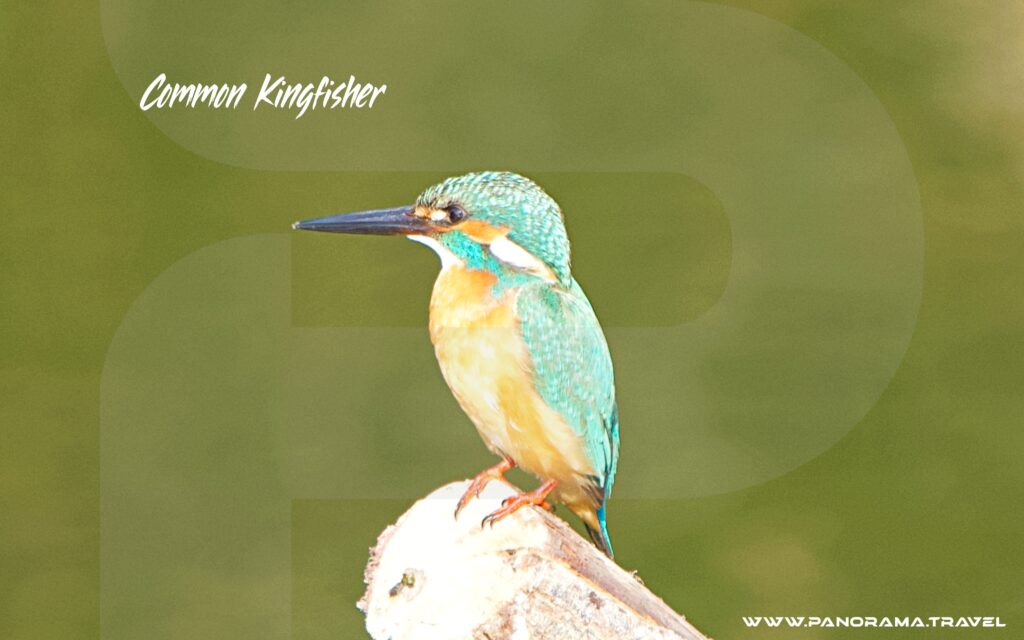
Birdlife in Oman rivals its marine wonders. Situated at the crossroads of three continents, the Sultanate lies along major migratory flyways, hosting over 500 recorded bird species. From the flamingo-filled lagoons of Barr Al Hikman—one of the world’s most important shorebird sites—to the raptor highways above Dhofar’s mountains, Oman offers world-class birding throughout the year. Migratory shorebirds flock to its pristine mudflats in their millions, while resident species like the Arabian partridge, colorful kingfishers, and graceful hoopoes find refuge in protected wadis and acacia woodlands.
In the remote mountains of Musandam and Dhofar, one of Arabia’s most elusive predators’ clings to survival. The Arabian leopard, critically endangered and rarely seen, represents the wild heart of Oman’s conservation efforts. With fewer than an estimated 50 individuals remaining in the wild, protected areas like the Jebel Samhan Nature Reserve offer sanctuary for these solitary cats, their presence a testament to Oman’s commitment to preserving its natural heritage for future generations.
From the humblest shorebird to the immense blue whale gliding through Arabian Sea depths, Oman’s wildlife weaves a story of resilience, diversity, and wonder. Protecting this heritage ensures that these extraordinary creatures continue to thrive in one of the world’s most captivating natural kingdoms.
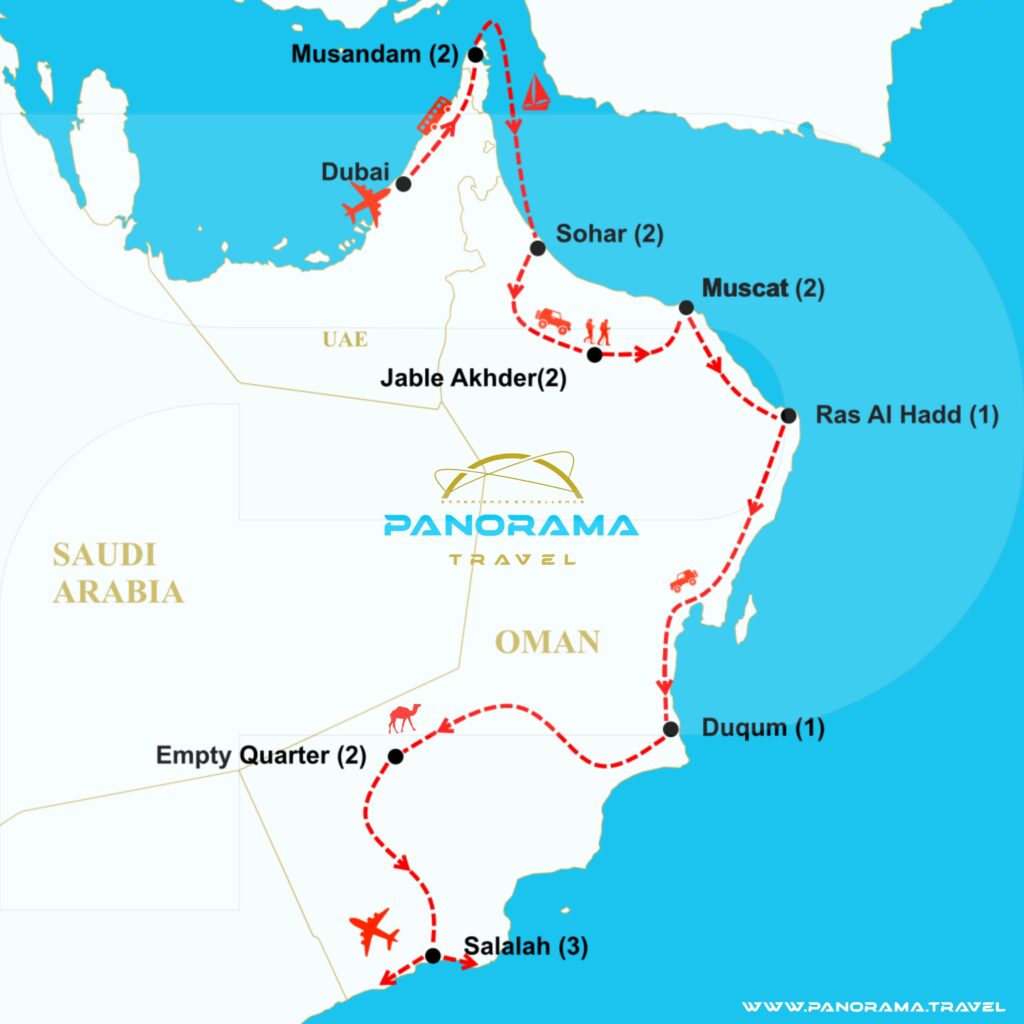
HIGHLIGHTED SITES, LANDMARKS & KEY ATTRACTIONS
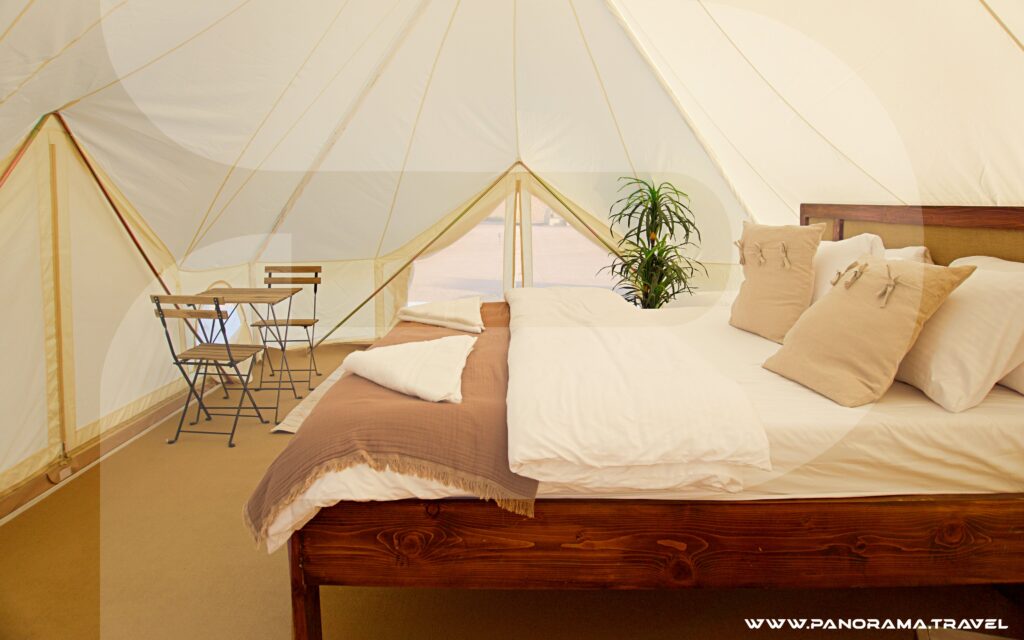
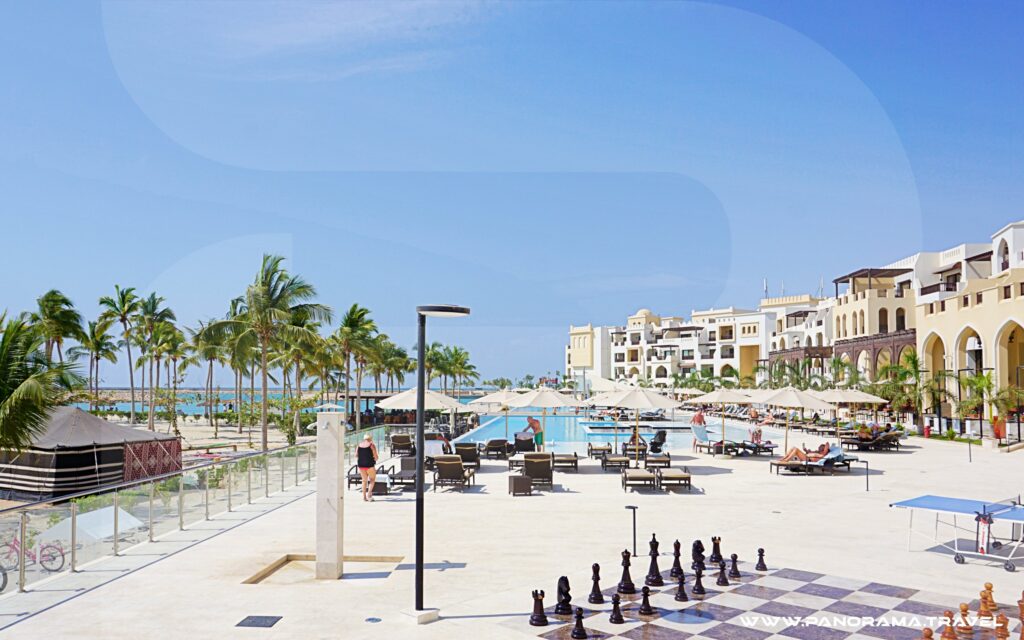
CAREFULLY SELECTED ACCOMMODATIONS REFLECTING OMAN’S RICH CULTURE, WARM HOSPITALITY & DIVERSE LANDSCAPES.
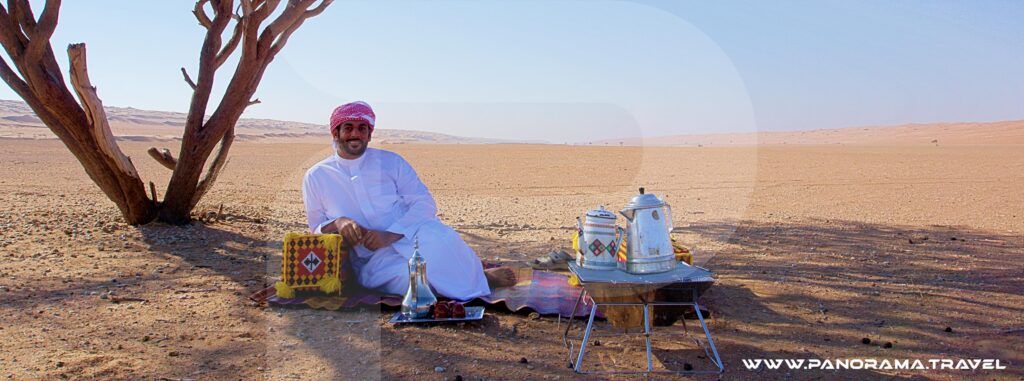
TOUR LEADER
Badar Al Yazeedi is the Founder and Chief Executive Officer of Panorama Travel, bringing over 24 years of specialized expertise in Arabian tourism. A specialist in the historic trading routes, he has dedicated his career to showcasing the rich cultural and natural heritage of the region. Throughout his extensive career, Badar has led numerous wildlife and cultural expeditions across a diverse range of landscapes, including East Africa, Central Asia, Oman, the UAE, Saudi Arabia, Jordan, and Yemen. His deep regional knowledge and commitment to authentic travel experiences position Panorama Travel as a premier gateway to the wonders of the Arabian Peninsula and beyond. Read more.
VIRTUAL TOUR -LIVE QUESTIONS & EXPERT DISCUSSION

Send an Inquiry to Register for the Link and Event Notifications
Trip: Oman: A Journey Through The Lands Of Ancient Civilizations
Fix departure: 1st October 2026
FIX DEPARTURE. Adventure through Oman's dramatic terrain, uncover ancient history, and embrace its legendary hospitality.