
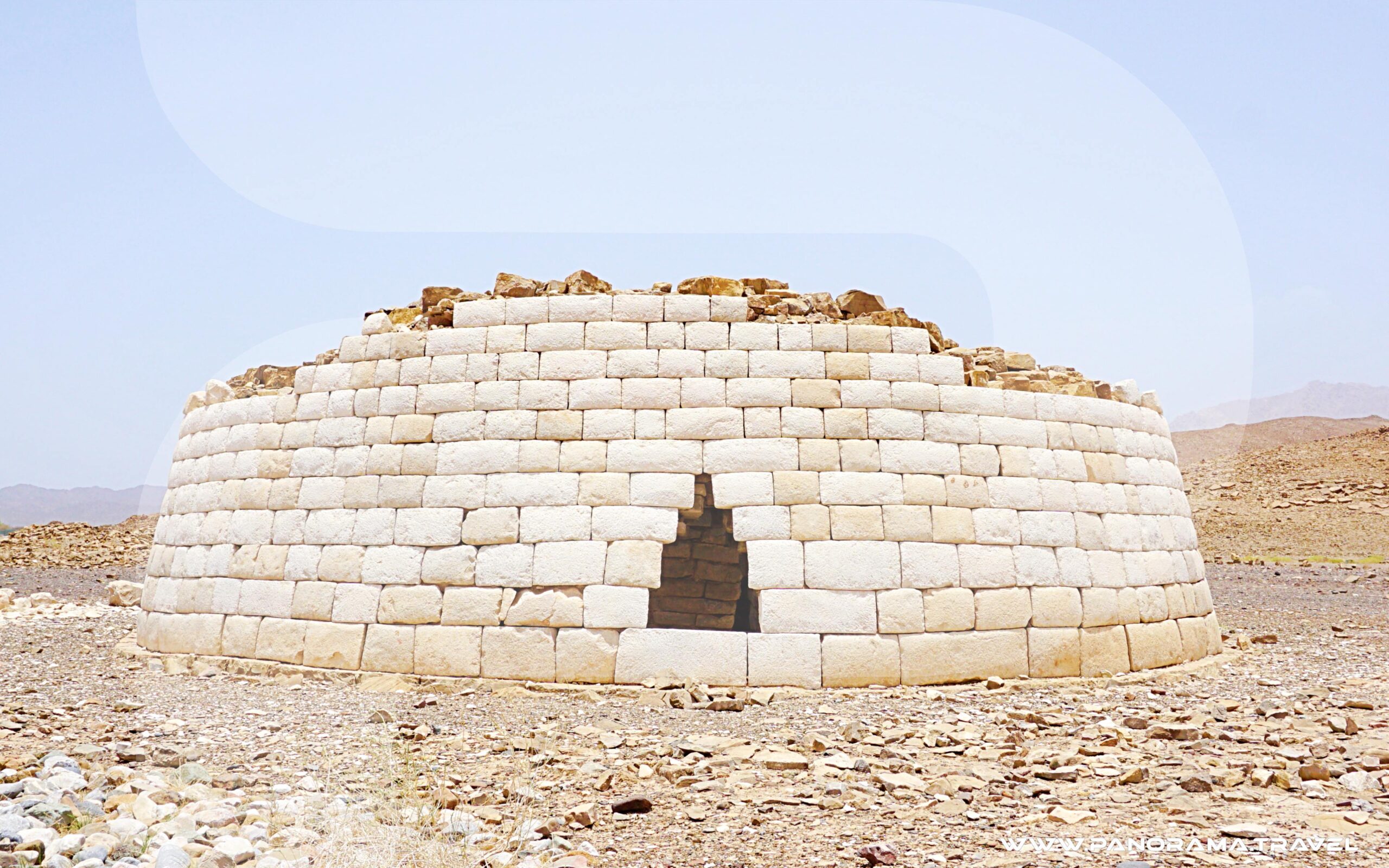
These sites date back to the 3rd millennium BCE and include both Hafit-period tombs (beehive-shaped graves from roughly 3200–2600 BCE) and Umm an-Nar tombs (large circular structures, 7–14 meters in diameter, typically divided into multiple burial chambers roughly 2000–2600 BCE).
They are scattered across northern Oman—from Umm Al Nar Island in Abu Dhabi to Ras Al Jinz—reflecting a period when the Sumerians interacted with the land of Magan and copper extraction in the region reached its peak.
Archaeological Sites of Bat, Al-Khutm and Al-Ayn
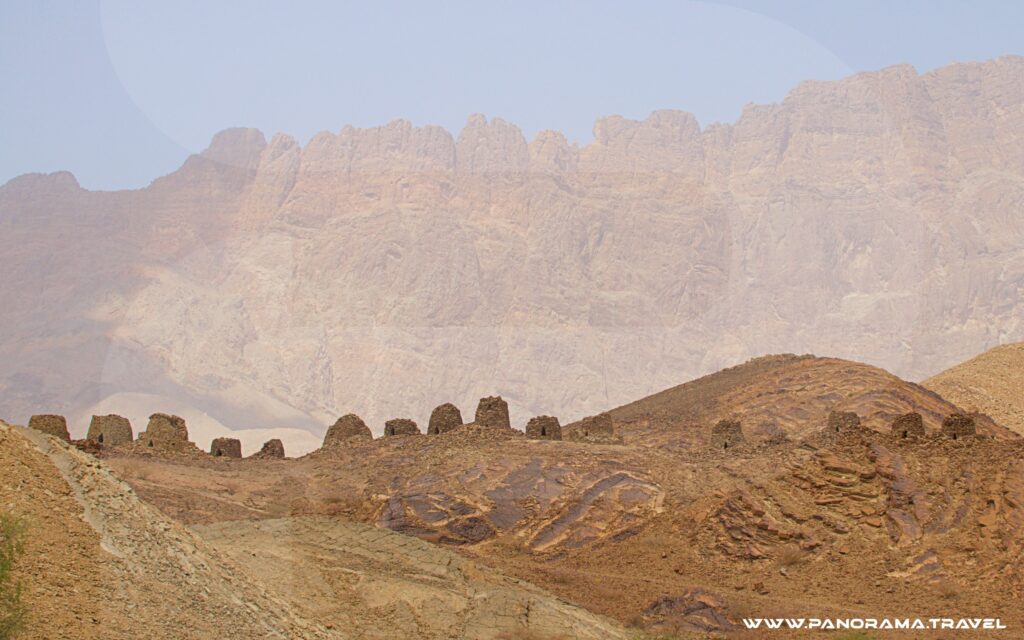
The interconnected sites of Bat, al-Khutm and al-Ayn form one of the world’s most complete and best-preserved Early Bronze Age cultural landscapes. Situated amid Oman’s interior palm groves, they present an exceptional concentration of 3rd-millennium BCE settlements, towers and necropolises.
At Bat tombs UNESCO Site, seven monumental stone towers—with an additional example at al-Khutm—demonstrate remarkable architectural sophistication. Built with carefully dressed limestone blocks, these circular structures measure 20–25 metres in diameter and contain concentric compartments arranged around a central core. Their purpose remains debated, but they likely supported significant superstructures, possibly ceremonial or residential.
The surrounding necropolis includes hundreds of tombs representing two major traditions: early Hafit-period beehive tombs positioned on surrounding ridges, and later Umm an-Nar multi-chambered cairns spread across the terraces. Additional beehive tombs at al-Ayn, 22 kilometres away, further illustrate the region’s long and evolving funerary practices.
Uniquely, the landscape preserves ancient quarries and stone-working workshops, offering rare insight into Bronze Age construction methods—from raw material extraction to finished architecture. Ongoing archaeological surveys continue to expand the number of recorded towers, settlements, quarries, cemeteries, and even later Iron Age and Neolithic sites, enriching our understanding of Oman’s early cultural development.
Ras Al Jinz – Hafit Settlement & Graves (3200–2600 BCE)
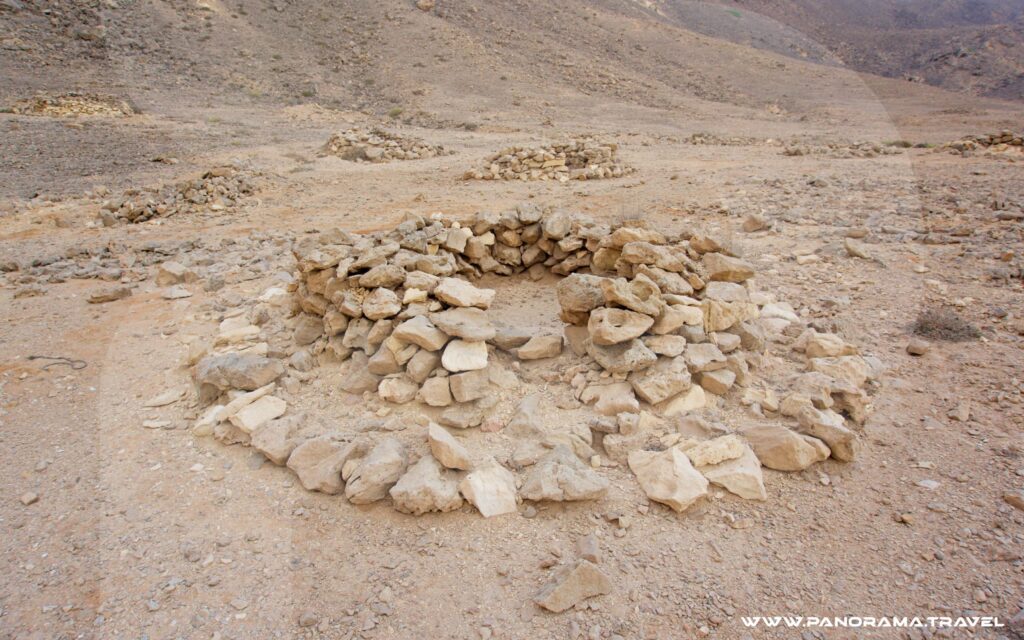
At the southeastern tip of Oman, Ras Al Jinz preserves an important cluster of Early Bronze Age Hafit-period tombs. This group of 22 funerary cairns, arranged in two clusters along the lower slopes of Jebel Al Jinz, reflects one of the region’s earliest monumental burial traditions.
Built from angular stone blocks set in one or two concentric circular walls, the tombs range from 3 to 6 metres in diameter and once stood 2 to 3 metres high. Each structure contained multiple burials—some holding as many as 29 individuals—accompanied by personal items such as copper tools, ornaments, fired soapstone beads, and imported Mesopotamian pottery.
These collective burial monuments mark a significant shift from earlier individual graves, signalling broader social and economic transformations, including the rise of metalworking and the development of early agriculture. During this period, thousands of similar cairns dotted Oman’s landscape, serving not only as burial sites but also as prominent territorial markers for local communities.
Ras Al Jinz – The Umm an-Nar Settlement & Graves (2600–2000 BCE)
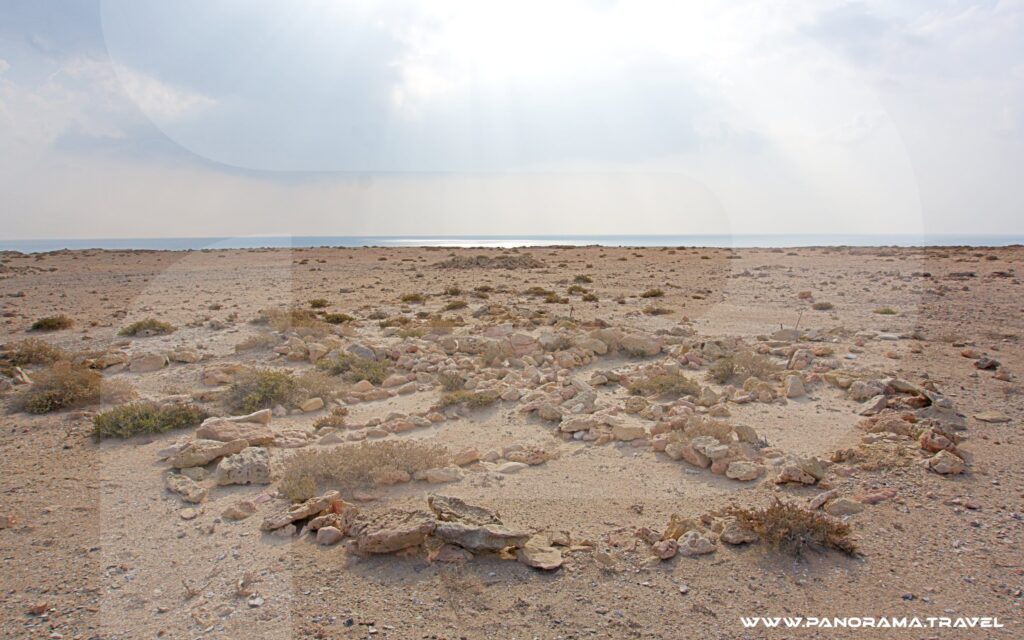
In the Ras Al Jinz area alone, more than 350 tombs have been identified, making it one of the richest Hafit-period cemeteries in the country.
The Umm an-Nar–period settlement at Ras Al Jinz, occupied for more than five centuries, is one of Oman’s most important archaeological sites. It provides crucial insight into Early Bronze Age life and the emergence of long-distance maritime trade across the wider region.
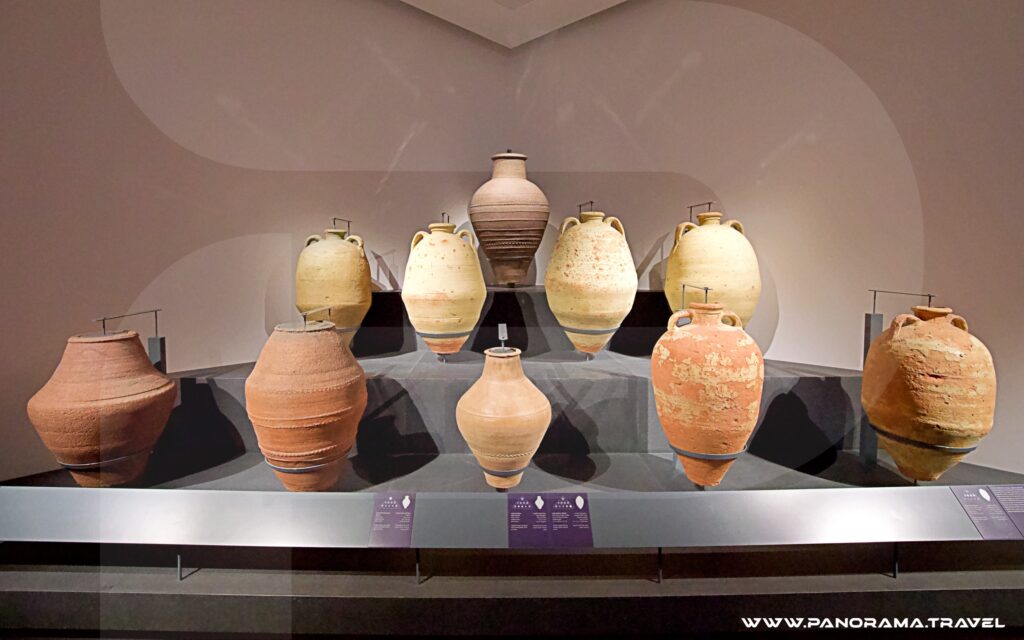
Excavations revealed two substantial mud-brick compounds—measuring approximately 500 m² and 300 m²—containing living quarters, workshops, and storage rooms. The site yielded an exceptional range of imported goods, including Indus Valley transport jars (some with inscriptions), Mesopotamian pottery, and bitumen. Luxury items such as engraved ivory, decorated Indian vessels, and finely crafted ornaments highlight the settlement’s role in elite exchange networks.
Evidence of extensive craft production has also been documented. Residents manufactured shell rings and pendants, copper tools, carved stone seals, and everyday items like stone tools, woven baskets, and fishing gear. Fishing and the curing of marine products—tuna, turtles, dolphins, and sharks—formed a core part of daily life and supported both local needs and regional trade.
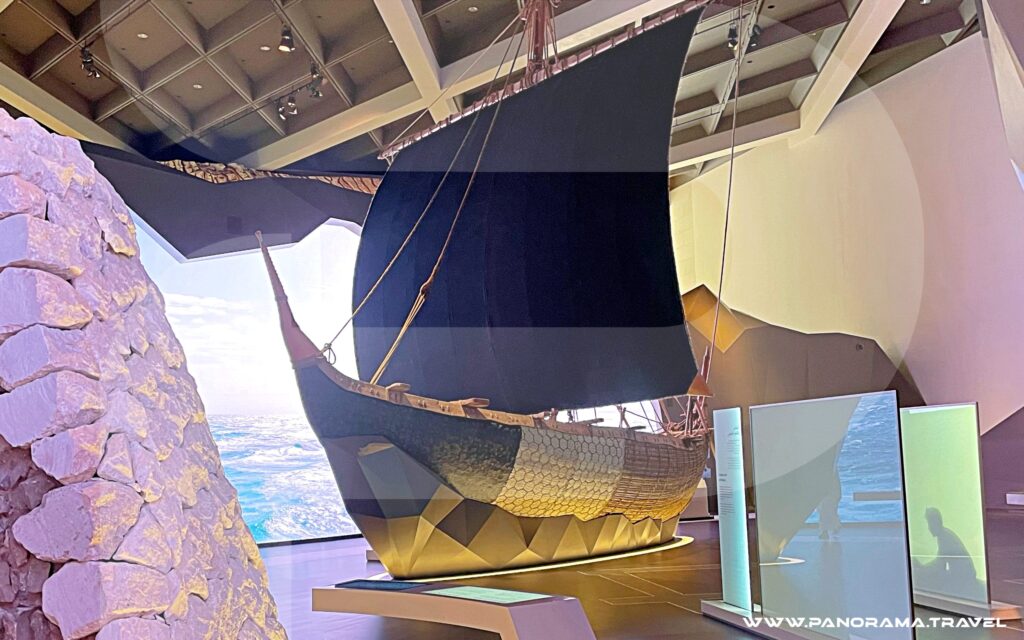
The community’s output was exchanged with inland populations and with major overseas civilizations as part of a far-reaching maritime network linking Arabia, Iran, India, and Mesopotamia. Ancient Sumerian records refer to Oman and the UAE as the Land of Magan, renowned for its black boats transporting copper, diorite, ornaments, and shells filled with cosmetic powders. At Ras Al Jinz, archaeologists uncovered remains of bitumen used to seal Magan’s boats, underscoring the site’s strategic significance in Early Bronze Age commerce.
The Oman Across Ages Museum and the Land of Frankincense Museum both showcase artifacts excavated from these sites, including fishing tools, pottery jars, copper items, and imported goods originating from the Indus Valley civilization.
From Excavation to Exhibition: Oman’s Bronze Age Treasures in World-Class Museums
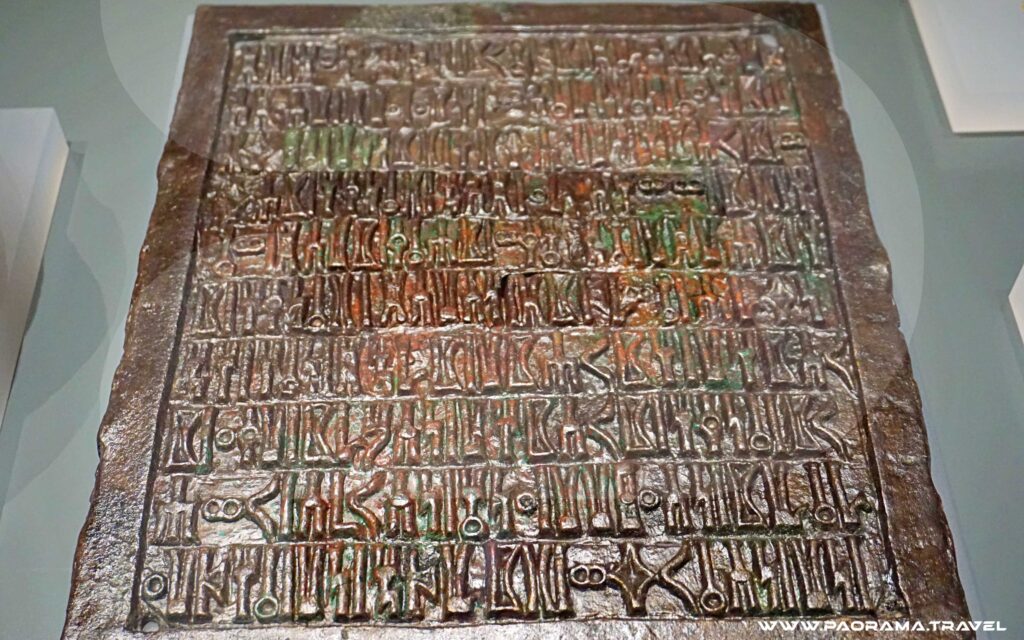
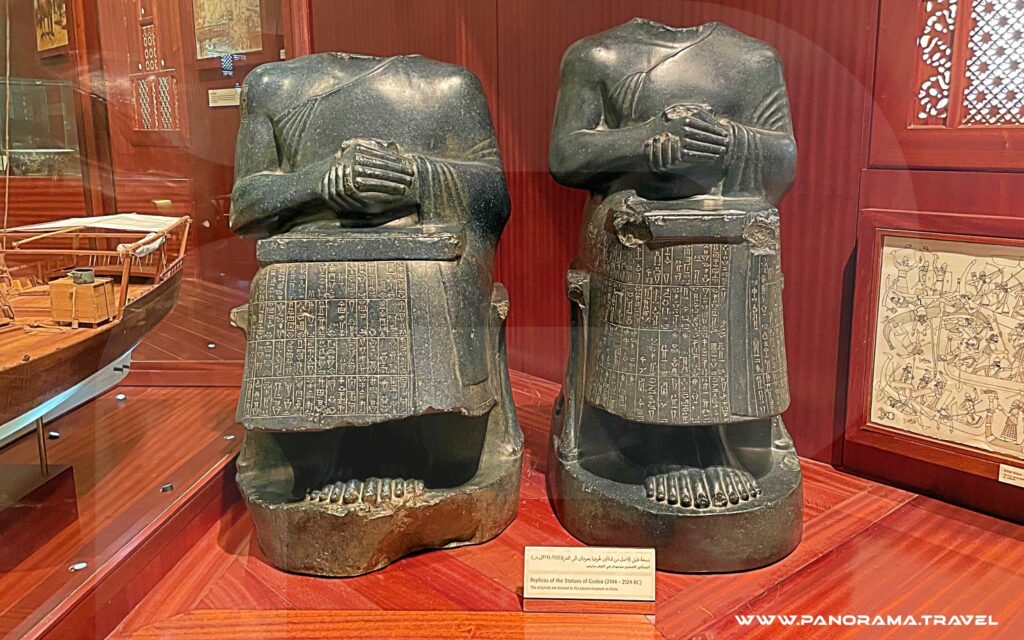
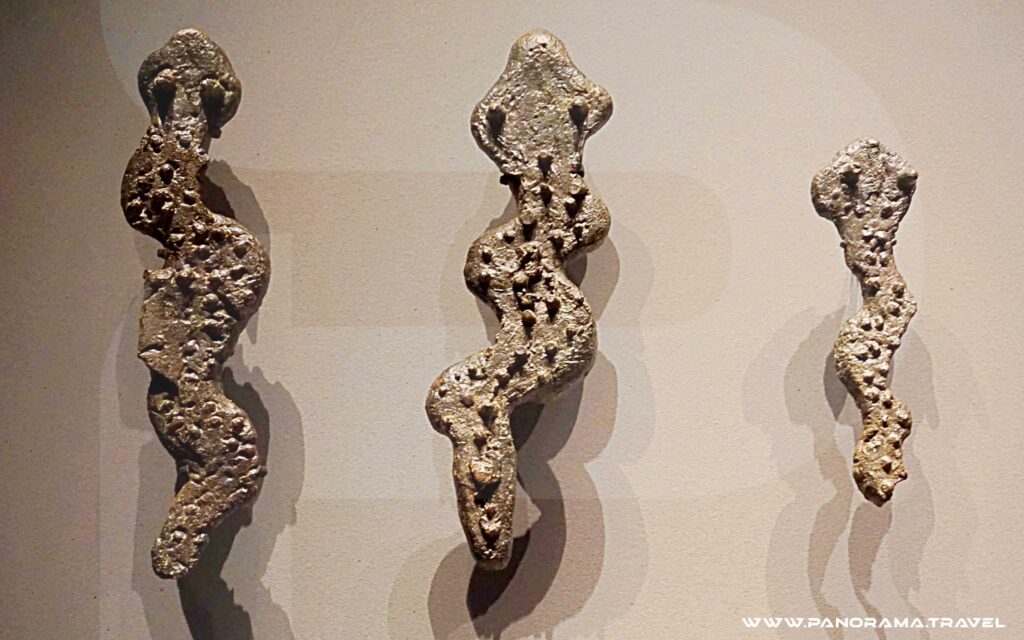
The Oman Across Ages Museum, The National Museum and the Land of Frankincense Museum showcase artifacts excavated from these sites, including fishing tools, pottery jars, copper items, and imported goods originating from the Indus Valley civilization.
Join our next fixed-departure cultural expedition—or contact our travel consultants to design a tailored journey—and uncover the timeless beauty of Oman’s Bronze Age heritage
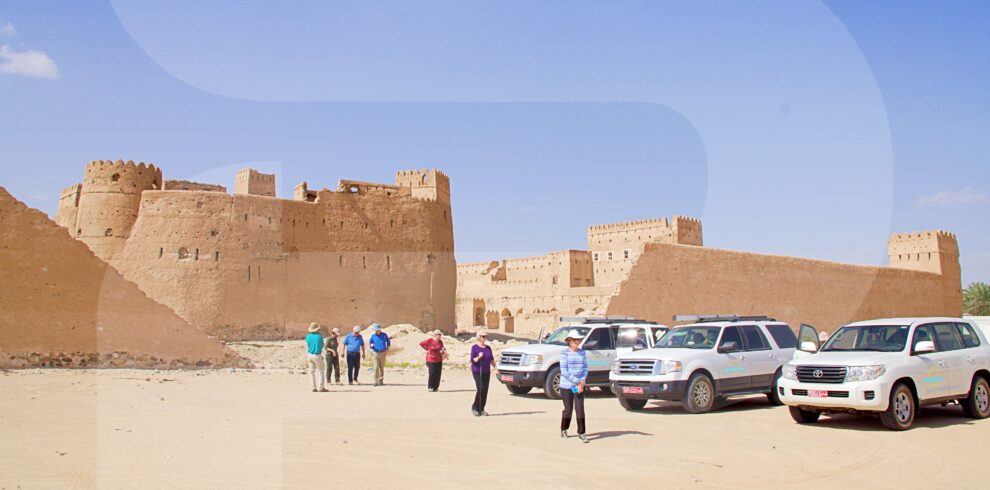
FIX DEPARTURE. Adventure through Oman's dramatic terrain, uncover ancient history, and embrace its legendary hospitality.
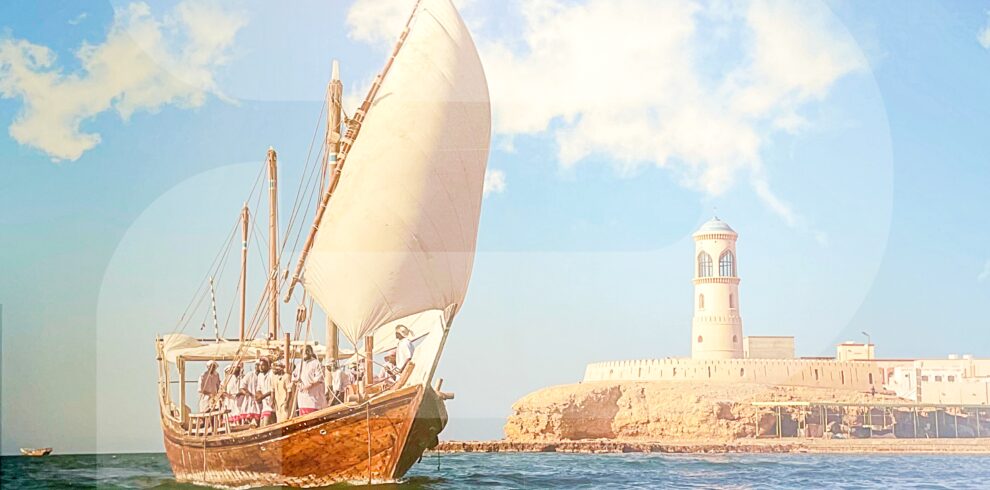
ON REQUEST: 12-Day Oman Maritime & Cultural Expedition. Experience Oman from its most historic perspective: the sea. Follow in the…