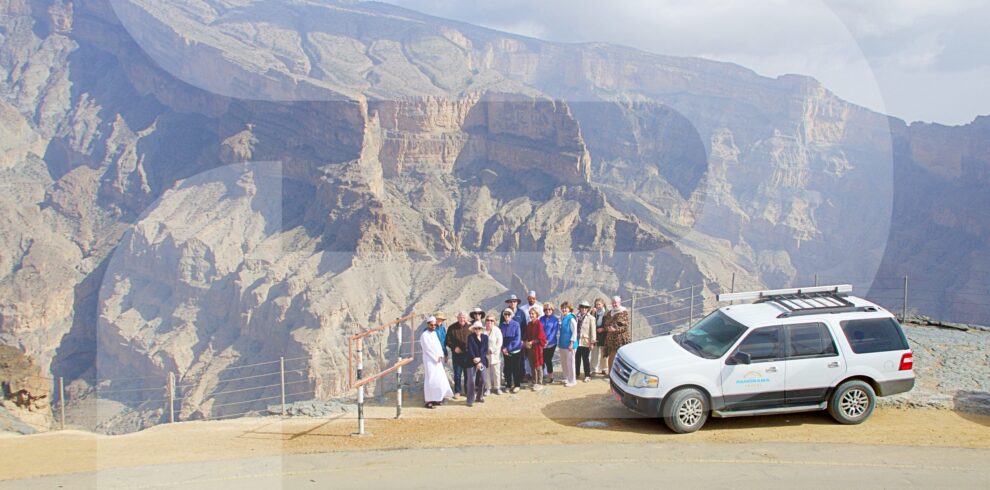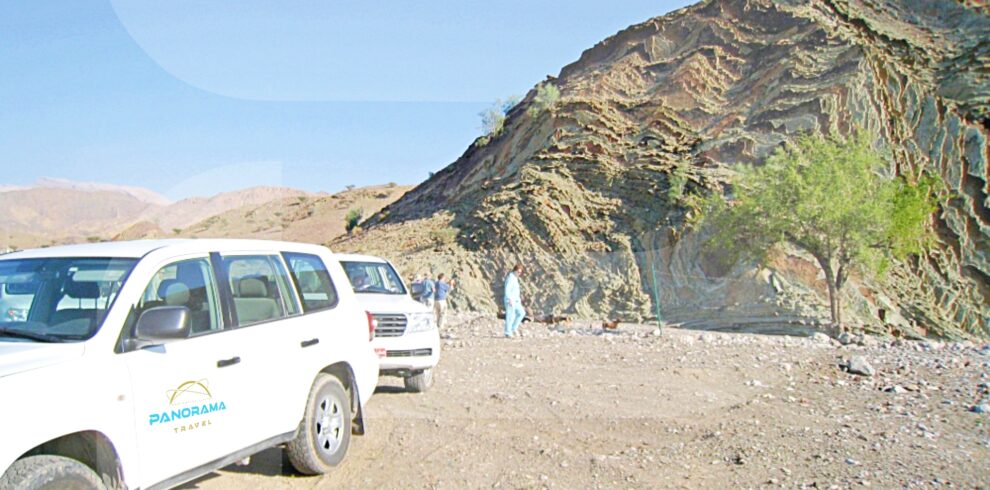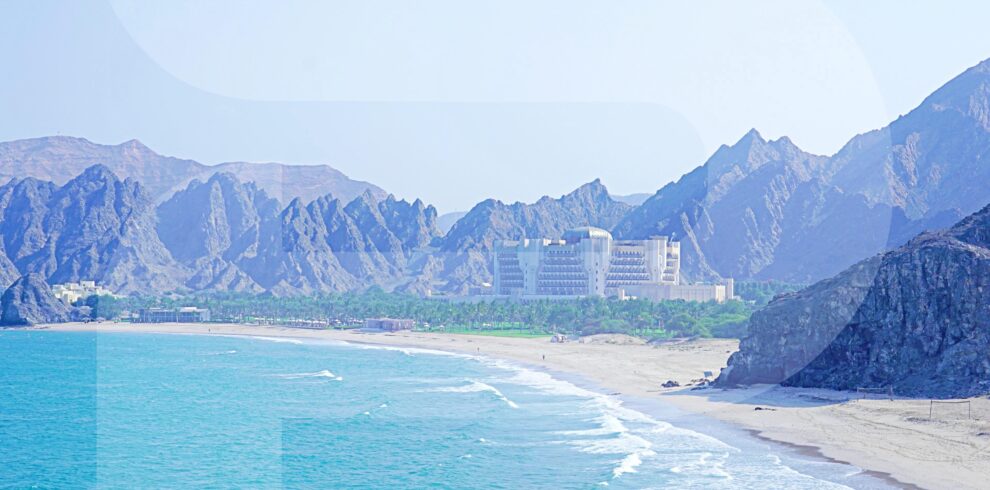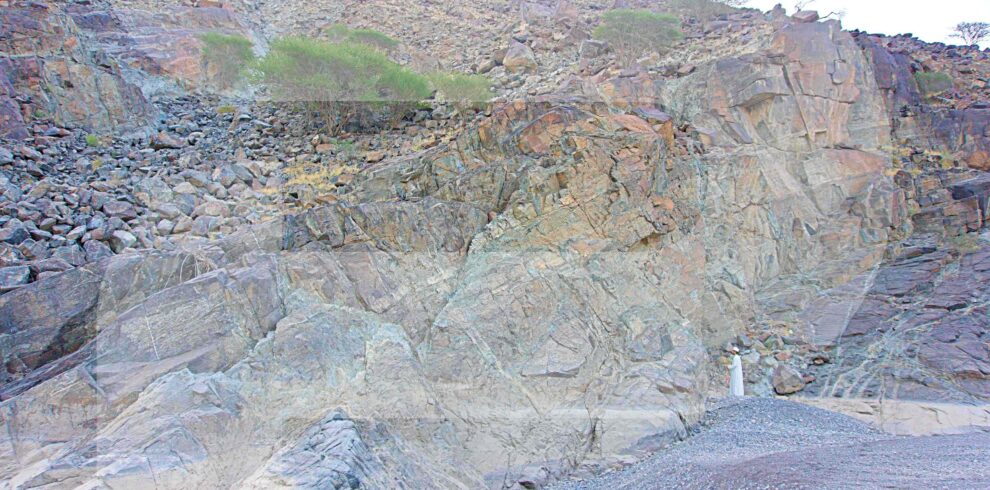

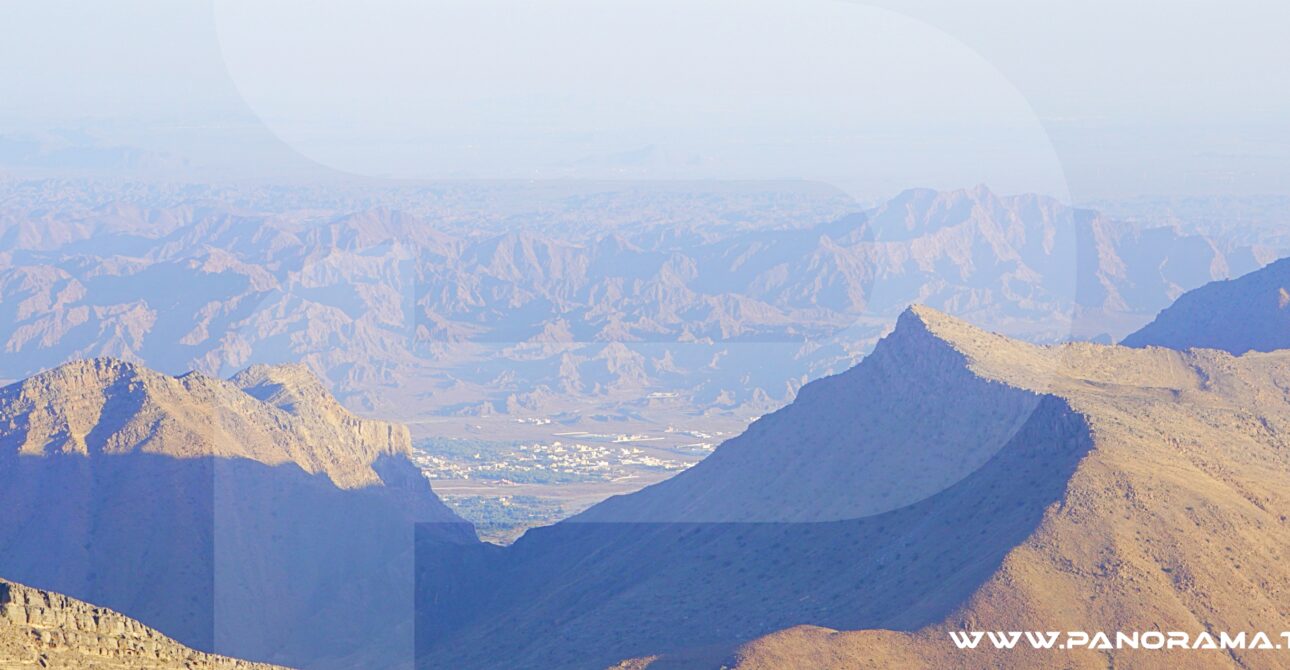
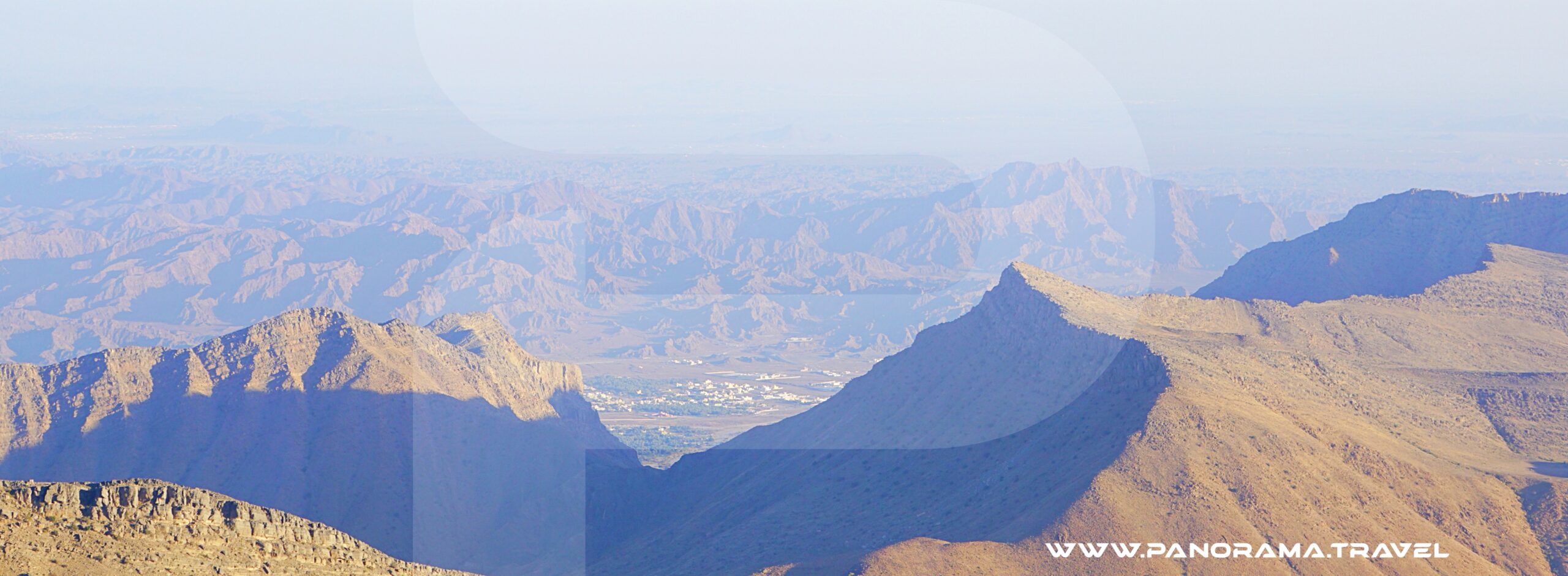
Oman Geology Tours, Designed And Led By Our Expert Team, Will Take You On A Once-In-A-Lifetime Journey To Explore The Sultanate’s Extraordinary Geo-Heritage.
Why Oman Is Considered a Geologists’ Paradise?
Oman is a global geological treasure—an outdoor classroom where the Earth’s history is exposed for all to study. The Sultanate offers some of the world’s best and most accessible sections of oceanic crust and upper mantle, making it a living laboratory for understanding how our planet formed and evolved.
For amateur explorers and geology experts alike, Oman’s mountains provide a rare opportunity to observe extraordinary rock formations fully exposed, not concealed beneath vegetation or soil. Astonishing geo-heritage features appear throughout the country:
- Touch the “Moho” — the remarkable boundary between the Earth’s crust and mantle
- Walk on ancient oceanic crust — Oman hosts the largest and best-exposed ophiolite complex on Earth.
- Discover 600-million-year-old rocks brought to the surface by rising salt domes.
- Stand where dinosaurs once roamed — fossil remains found near Nizwa and Al Khoud.
- Explore world-class caves — including one of the planet’s largest underground chambers near Tiwi.
- Examine the ancient supercontinent Pangea—formed around 335 million years ago, when nearly all of Earth’s landmasses were united as one.
- Investigate the great extinction site, where ancient rock layers hold evidence of a devastating global event that eliminated more than 90% of marine life and 70% of species on land.
Even the casual traveler is captivated by Oman’s dramatic landscapes: towering mountains embracing Muscat, vertical cliffs diving into the sea, and rugged coastlines shaped by deep time. Oman’s geological heritage is so unique, diverse, and accessible that many features which would require a lifetime of global travel can be found right here in one country.
These natural wonders not only elevate scientific understanding but also contribute to sustainable tourism—inviting visitors to appreciate Earth’s story while protecting its most precious landscapes.
At Panorama Travel, our specialized geology expeditions reveal Oman’s extraordinary past through immersive field exploration and expert interpretation. Join us to uncover the geological secrets of the Sultanate—where every rock tells a story 600 million years in the making.

Why Panorama Travel is the Pioneer in Oman Geotourism & Geology Field Studies?
Discover a globally unique geological site in Oman where rock layers reveal the Permian–Triassic mass extinction, a cataclysm that wiped out over 90% of marine life and 70% of species on land. Nowhere else on Earth is this boundary preserved so clearly — a rare opportunity to study the dramatic collapse of life and the planet’s remarkable recovery.

Discover one of Oman’s most remarkable geological features — an angular unconformity where Mid-Permian rocks (~270 million years old) rest directly atop Late Proterozoic Precambrian rocks (600+ million years old). This dramatic boundary represents a missing chapter of over 300 million years in Earth’s history — a period erased by tectonic uplift and erosion before new layers were deposited.
Scientific Expertise, Exclusive Access & Storytelling — Redefining Geotourism in Oman
Panorama Travel is a pioneer in geological tourism across the Sultanate, offering expeditions that combine expert knowledge, exclusive access, and engaging storytelling. Our tours transform the Earth’s history into a compelling journey, making us the leaders in geology-focused travel.
- Expert-guided expeditions led by professional geologists.
- Tour programs developed in collaboration with leading academic partners.
- Meticulously crafted itineraries highlighting Oman’s most significant geo-heritage sites.
- Privileged access to restricted and rarely visited locations.
- Strong commitment to responsible and sustainable geo-tourism practices.
- Specialized university field trips and immersive educational programs.
- Fully customizable experiences for enthusiasts of all levels.
- Recognized credibility and trust across the geology and travel industries.
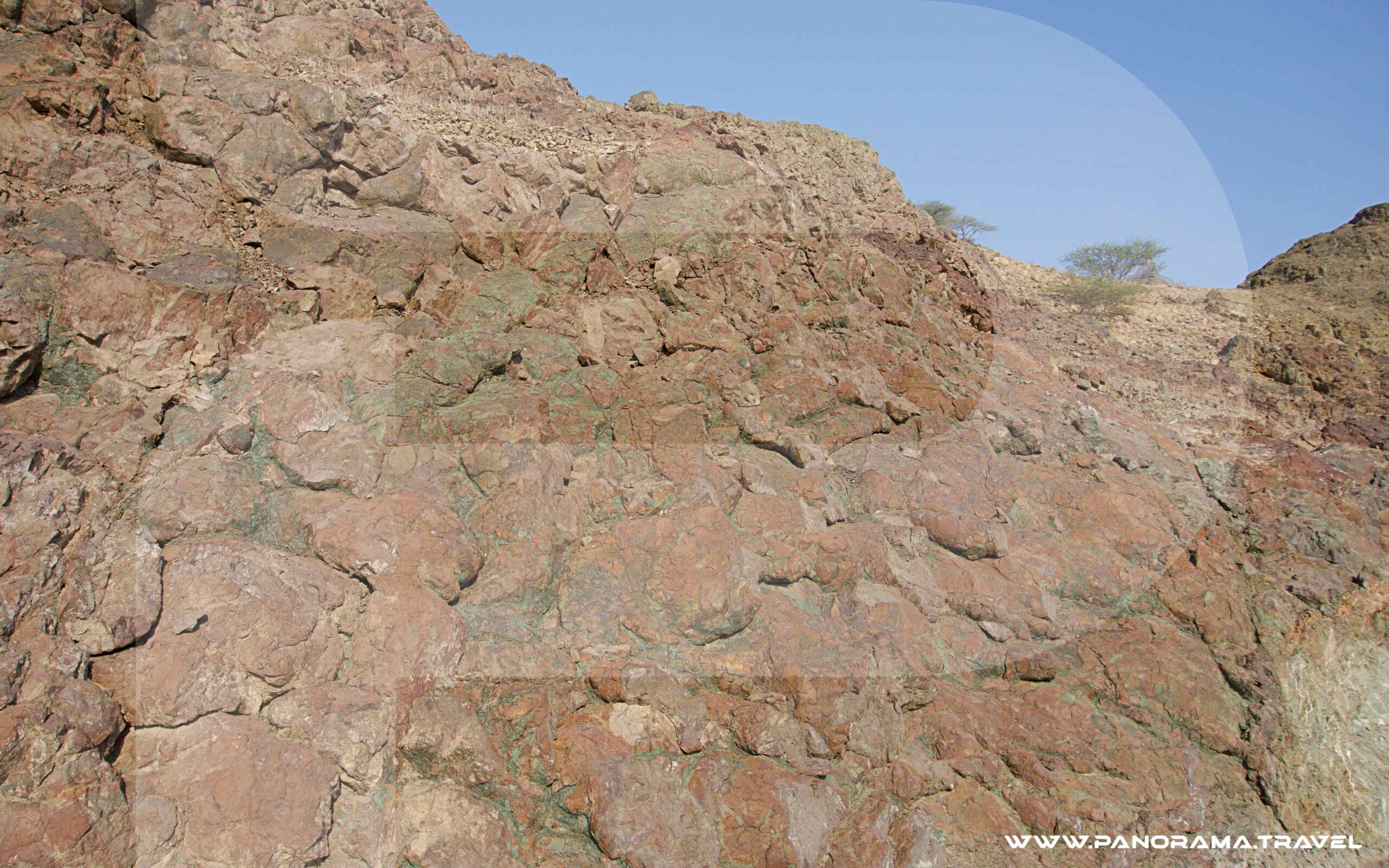
Discover Pillow Lava & Basalt Hexagonal Columns. Step into a former ocean floor and witness spectacular volcanic formations. Here, pillow lava reveals where molten basalt cooled instantly underwater, while hexagonal basalt columns showcase the striking geometry of ancient eruptions frozen in time.
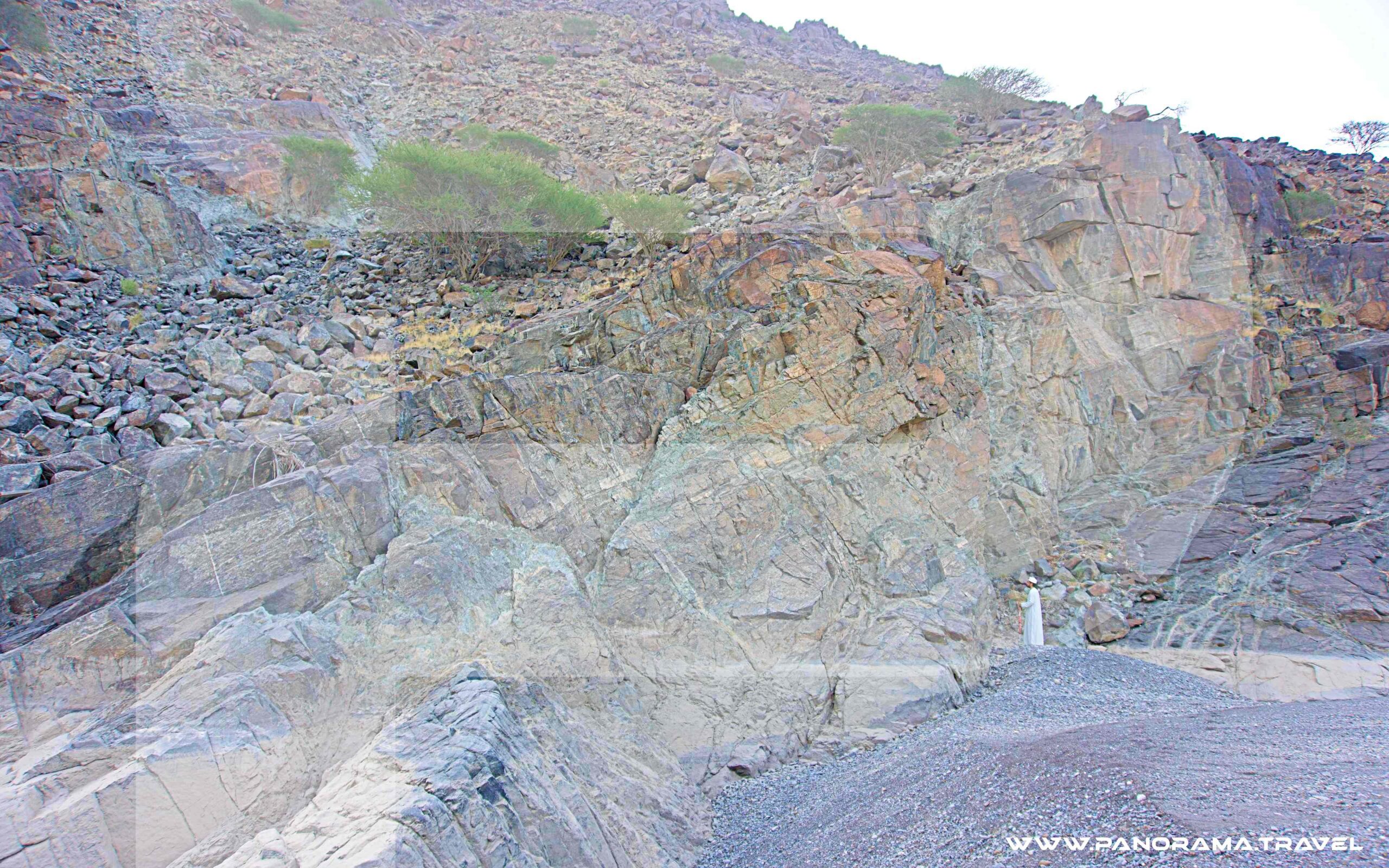
Touch the Moho – Where Earth’s Crust Meets the Upper Mantle. Stand at one of the world’s few accessible sites where the Mohorovičić Discontinuity — the boundary separating Earth’s crust from its upper mantle — is exposed at the surface, offering a rare window into the planet’s deep interior.
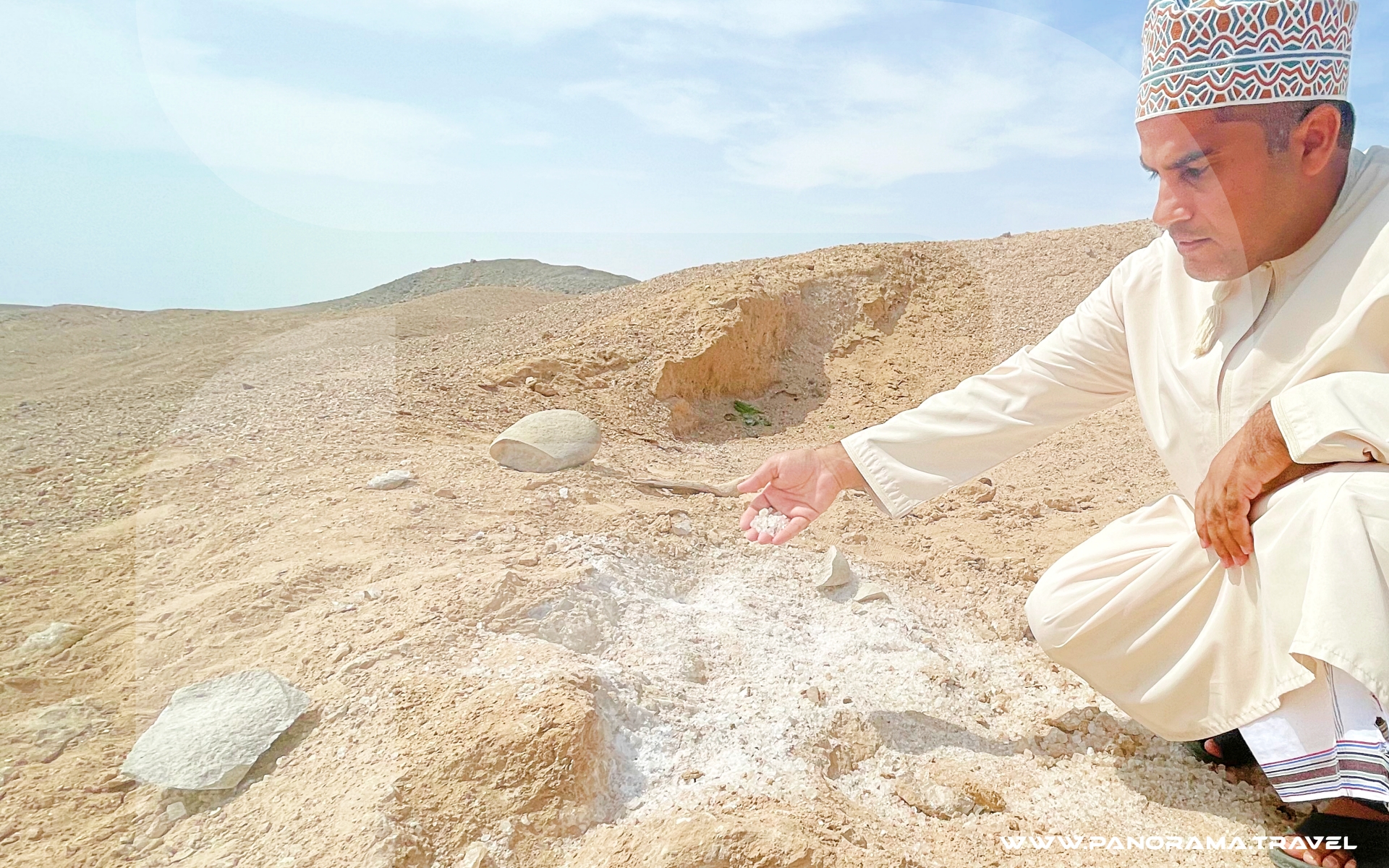
Salt Domes — Ancient Rocks Brought Back to the Surface. A journey into Oman’s desert unveils spectacular salt domes that have pushed rocks more than 600 million years old back to the surface. These rising columns of buried salt deform and elevate the overlying layers, revealing some of the oldest formations on Earth — a truly rare phenomenon where deep geological history is exposed in plain sight.
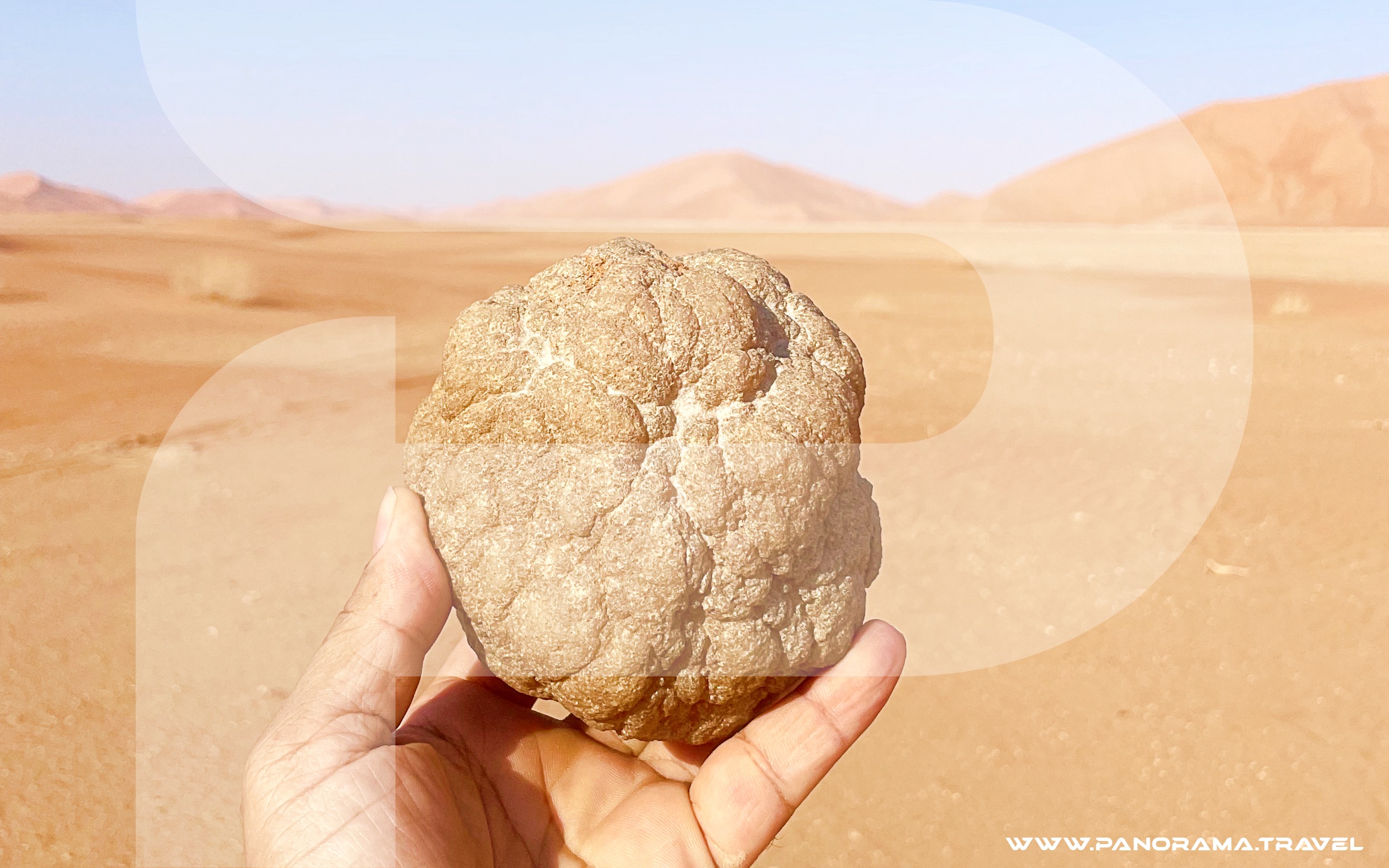
Quartz-Filled Geodes — Nature’s Hidden Crystals. Near Salalah, you can find remarkable geodes — cauliflower-shaped spheres lined with sparkling quartz crystals. Their beauty is unmistakable, yet their formation remains a subject of scientific debate, adding an element of mystery to these natural geological treasures.

Massive Upfold and Downfold Structures. Dramatic geological folding reveals the immense forces that once shaped Oman’s mountains. These impressive upfold (anticline) and downfold (syncline) formations provide a striking, classroom-in-the-field example of how Earth’s crust deforms under pressure.
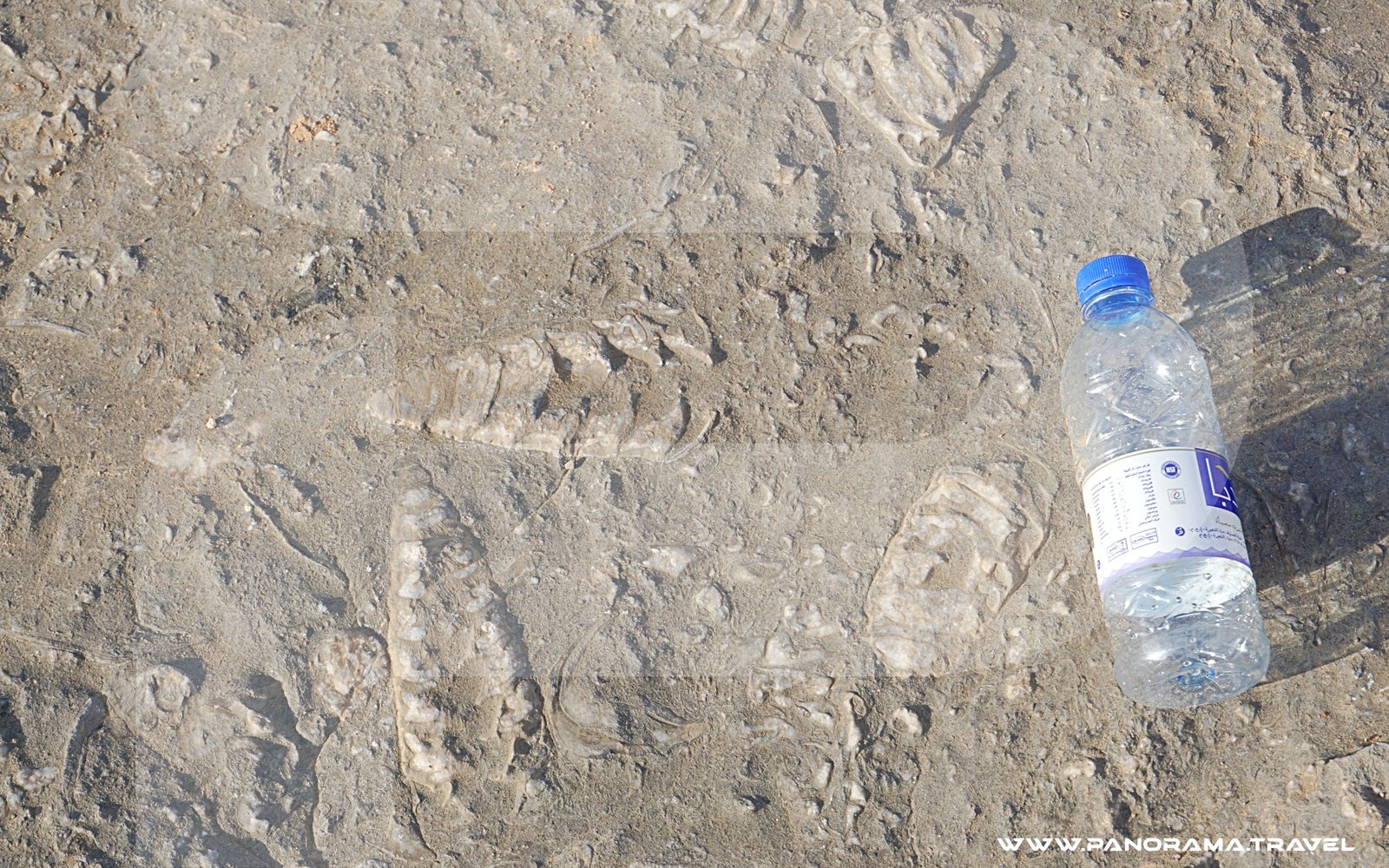
Fossiliferous Marine Deposits — Jebel Harim, Musandam (270 Million Years Ago)
At Jebel Harim in the Musandam Peninsula, fossil-rich limestone layers preserve life from a shallow marine environment that once covered the Arabian continental shelf around 270 million years ago. Today, these ancient seabeds are exposed 1,700 meters above sea level, uplifted by powerful tectonic forces as the Arabian Plate collided with Eurasia.
Embark on exclusive geo-adventures in the Sultanate of Oman — where ancient rock formations, dramatic wadis & tectonic wonders reveal millions of years of Earth’s history. Enjoy curated geological knowledge, privileged access to remote sites & expert guidance from passionate geologists who bring the landscape to life.
Contact Panorama Travel today to book your premium geology tour or to design a fully bespoke geo-adventure tailored for you or your group.